

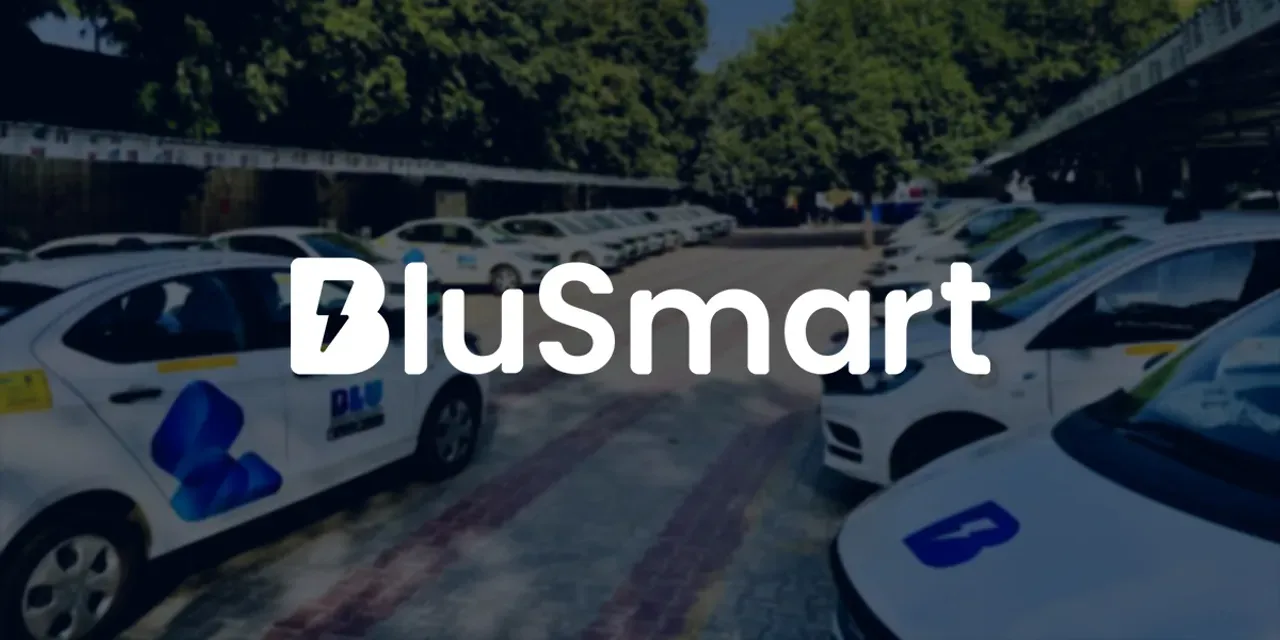

BluSmart Faces Insolvency Proceedings Amid Financial Struggles
In a significant development for India’s electric vehicle (EV) startup ecosystem, the National Company Law Tribunal (NCLT), Ahmedabad, has admitted insolvency proceedings against BluSmart Mobility, the Gurugram-based EV ride-hailing company. The tribunal’s order, issued on July 28, follows a creditor petition by Catalyst Trusteeship, marking a severe blow to BluSmart’s financial health and operational stability.
BluSmart, which had been seen as a promising player in the rapidly evolving electric mobility sector, is now navigating turbulent waters, caught in the grip of a debt default issue that has triggered legal action. This article explores the background of BluSmart’s insolvency proceedings, the reasons behind the debt default, and what this means for the startup and the broader Indian EV industry.
BluSmart’s Business Model and Growth Journey
BluSmart Mobility launched with the ambition to revolutionize urban transport by providing a sustainable, affordable, and eco-friendly ride-hailing service using electric vehicles. Based in Gurugram, the startup aimed to capture a market increasingly conscious of pollution and climate change, offering a green alternative to conventional fuel-based cabs.
Over the years, BluSmart raised substantial capital through equity and debt to expand its fleet, develop charging infrastructure, and scale operations across multiple Indian cities. The company positioned itself as a pioneer in India’s EV ecosystem, promising to combine technology, convenience, and sustainability in one package.
Despite its promising start and initial traction, BluSmart struggled to maintain a steady financial footing, especially as operational costs and capital expenditures soared. To fuel growth and cover expansion costs, the company turned to raising debt through instruments such as non-convertible debentures (NCDs).
What Triggered the Insolvency Proceedings?
The insolvency proceedings against BluSmart were initiated following a petition filed by Catalyst Trusteeship, which acts as the debenture trustee for the InCred Credit Opportunities Fund-I. The core issue revolves around BluSmart’s failure to service its debt obligations, specifically ₹15 crore raised through 15 secured, redeemable NCDs issued in April 2023.
According to tribunal records and reports, BluSmart was required to repay the principal amount on these NCDs in equal installments. However, the company defaulted on repayments totaling over ₹1.28 crore for the March and April 2025 installments. This default breached the ₹1 crore threshold that qualifies as a trigger for insolvency proceedings under India’s Insolvency and Bankruptcy Code (IBC).
The delayed payments and ultimate default indicated that BluSmart was unable to generate sufficient cash flow or raise alternative funds to meet its debt servicing commitments. Catalyst Trusteeship, representing the interests of the debenture holders, therefore approached the NCLT seeking initiation of insolvency proceedings to recover dues.
Understanding the Debt Instrument: Non-Convertible Debentures (NCDs)
To fully grasp the seriousness of BluSmart’s default, it’s important to understand what non-convertible debentures are. NCDs are debt instruments used by companies to raise money from investors. Unlike convertible debentures, NCDs cannot be converted into equity shares and typically offer a fixed rate of interest over a specified period.
In BluSmart’s case, the NCDs were secured, meaning they were backed by specific assets or collateral of the company. They were redeemable, requiring the company to repay the principal in installments. Failure to meet these repayment schedules can lead creditors to take legal recourse under the IBC.
What Happens Next: The Insolvency Process Explained
With the NCLT admitting the petition, BluSmart has officially entered insolvency resolution proceedings. Under the IBC, this means:
- Appointment of Insolvency Resolution Professional (IRP): An IRP will take control of BluSmart’s assets and operations to manage the company during the resolution process.
- Moratorium Period: All pending legal actions and recovery efforts against BluSmart are temporarily halted to allow smooth resolution proceedings.
- Committee of Creditors (CoC): A committee consisting of creditors will be formed to decide the future course — either restructuring the company’s debt and operations or initiating liquidation if resolution isn’t feasible.
- Resolution Plan Submission: Interested parties may submit bids to take over BluSmart or propose plans to revive the company’s financial health.
- Final Decision by NCLT: Based on the resolution plan and CoC’s recommendation, the tribunal will approve the way forward.
The insolvency process aims to protect the interests of creditors while giving the company a chance to revive. However, it is often a stressful phase for all stakeholders, including employees, investors, suppliers, and customers.
What This Means for BluSmart and the Indian EV Sector
Challenges for BluSmart
BluSmart’s insolvency case reflects several challenges:
- Financial Strain: Despite raising capital, BluSmart struggled to manage its debt servicing amid high operating costs and market competition.
- Market Competition: The Indian EV ride-hailing space is increasingly competitive, with established players and new entrants battling for market share.
- Investor Sentiment: The insolvency could dampen investor confidence in BluSmart and the wider EV startup ecosystem, making fundraising tougher.
- Operational Impact: Insolvency proceedings may disrupt daily operations, affecting service quality, employee morale, and vendor relationships.
Broader Implications for EV Startups
The insolvency of a high-profile startup like BluSmart sends ripples across the EV startup ecosystem:
- Funding Risks: It highlights the risks associated with aggressive debt-fueled expansion in capital-intensive sectors like EV mobility.
- Need for Sustainable Growth: Startups may need to focus more on sustainable unit economics rather than rapid scaling.
- Regulatory Environment: Insolvency cases test India’s regulatory framework for startups and the ease of debt recovery.
- Investor Caution: Venture capitalists and lenders might become more cautious, demanding clearer paths to profitability.
How Can BluSmart Navigate Forward?
While the situation is challenging, there are ways BluSmart can seek to turn around:
- Debt Restructuring: Negotiating with creditors for revised repayment terms or debt conversion options.
- Operational Optimization: Cutting costs, improving fleet utilization, and focusing on profitable routes.
- Strategic Partnerships: Collaborating with EV manufacturers, charging infrastructure providers, or fleet operators to reduce capital expenses.
- Fresh Fundraising: Attracting new investors or government grants aimed at promoting electric mobility.
The company’s management and stakeholders will have to act decisively and transparently during insolvency proceedings to restore trust and viability.
A Crucial Test for BluSmart and India’s EV Ambitions
BluSmart’s admission into insolvency proceedings is a stark reminder of the volatility and financial risks startups face, especially in emerging sectors like electric mobility. While it poses a serious challenge for the company, it also offers an opportunity for restructuring and course correction.
The outcome of this insolvency case will not only impact BluSmart’s future but also serve as a benchmark for how India’s EV startup ecosystem navigates growth, funding, and financial discipline. As the country pushes towards sustainable transportation, BluSmart’s journey underscores the delicate balance between ambition and operational sustainability.