

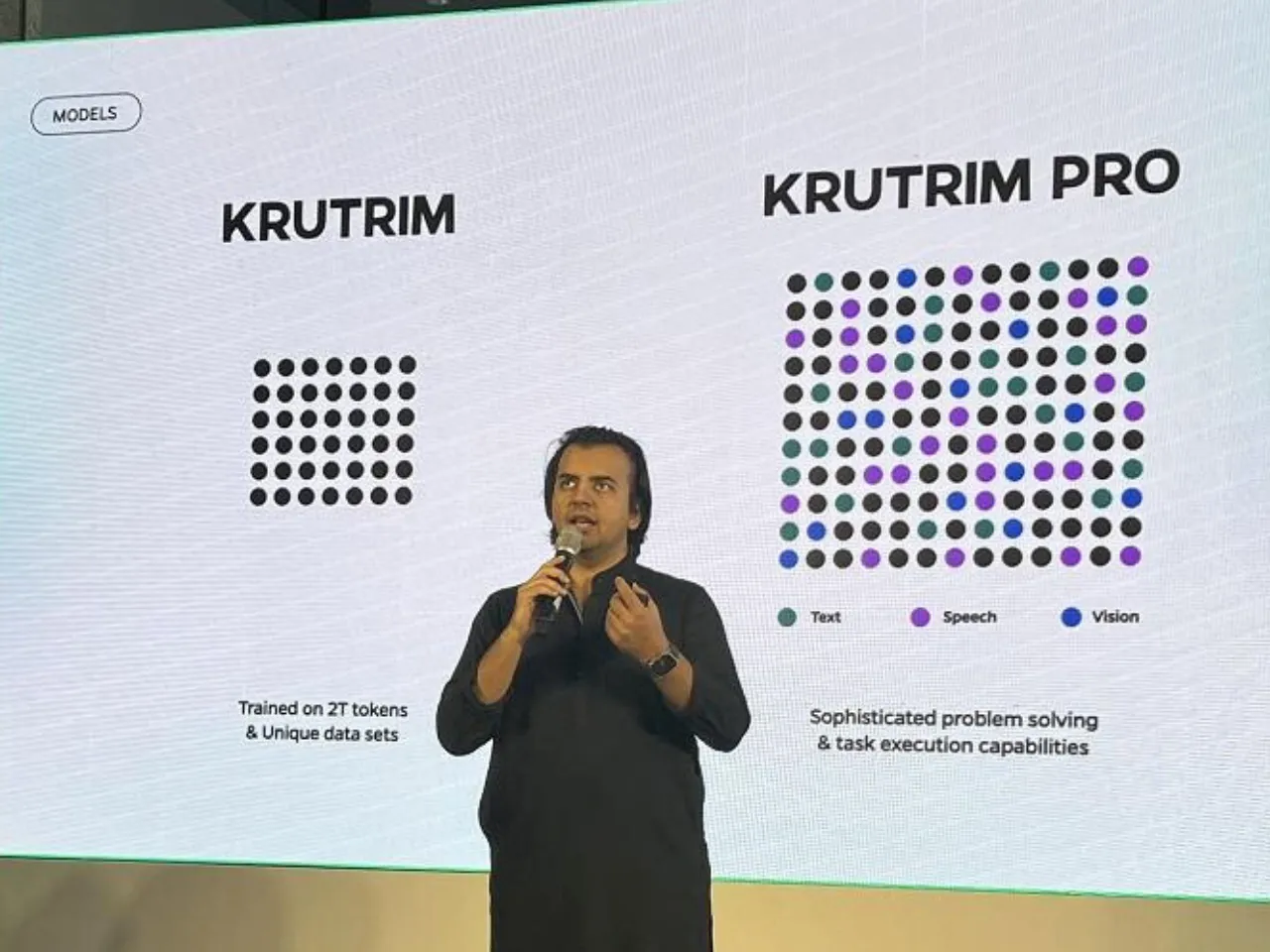

From Unicorn to Layoffs: What’s Happening at Krutrim?
Just half a year after hiring a wave of new talent, Bhavish Aggarwal’s AI startup Krutrim has slashed around 100 jobs—leaving the Indian tech world stunned. The layoffs hit the heart of the company’s linguistics team, responsible for training its flagship AI assistant, Kruti, in over 10 Indian languages.
The Second Blow: Krutrim’s Layoffs Aren’t New
This is not Krutrim’s first round of layoffs. Back in June, they already cut more than a dozen employees amid a company shakeup. Now, the second round is far bigger—and raises serious questions about the startup’s future.
What’s Driving These Sudden Cuts?
The company claims it’s all about “strategic realignment” and making the business more agile. But insiders suggest it’s also a sign of funding troubles and slowing growth after Krutrim’s ambitious goals hit a reality check.
The Rise and Stumble of India’s Fastest AI Unicorn
Kutrim made headlines in January as India’s fastest AI startup to hit unicorn status, backed by a cool $50 million from big-name investors. It announced plans to pour ₹2,000 crore into AI R&D—later aiming to increase that to ₹10,000 crore.
But reality bites: investors have cooled off, and the startup reportedly slashed its fundraising target from $500 million to $300 million. Its AI products, launched in 2024, have struggled to win over customers—some even switching to global giants.
Why Are Startups Abandoning Krutrim?
Reports say Krutrim’s large language model and cloud solutions failed to gain traction, forcing startups to migrate to more established hyperscalers. This lack of market traction is shaking investor confidence and forcing tough decisions.
What’s Next for Krutrim—and Indian AI?
Will Krutrim survive this storm? Can Bhavish Aggarwal’s brainchild pivot fast enough to regain momentum? India’s AI dream hangs in the balance as the startup restructures and braces for a leaner future.
Final Verdict: Is This the Beginning of the End for Krutrim?
Once hailed as India’s AI superstar, Krutrim’s dramatic layoffs and funding cuts paint a cautionary tale. The company’s next moves could define the future of homegrown AI innovation—or signal a retreat from a fiercely competitive market.