

In a funding world dominated by flashy tech startups and food delivery unicorns, a kids’ drinkware and foodware brand just bagged ₹40 crore—and it’s turning heads across the startup ecosystem.
Meet Rabitat, the D2C brand that’s reimagining everyday essentials for your little ones. From BPA-free sippers to non-toxic lunchboxes, Rabitat has already made its way into over 200,000 homes—and now, with a fresh ₹40 crore Series A round, it’s gunning for every school bag in the country.
So what’s the big deal? Let’s break down why this “boring” kids’ brand might just be India’s next big D2C rocketship.
Parents Are Obsessed—And Investors Are Paying Attention
In a category most brands have ignored for years, Rabitat saw an opportunity hiding in plain sight: every child needs safe, functional, stylish daily-use products—yet options have been limited, unattractive, or downright unsafe.
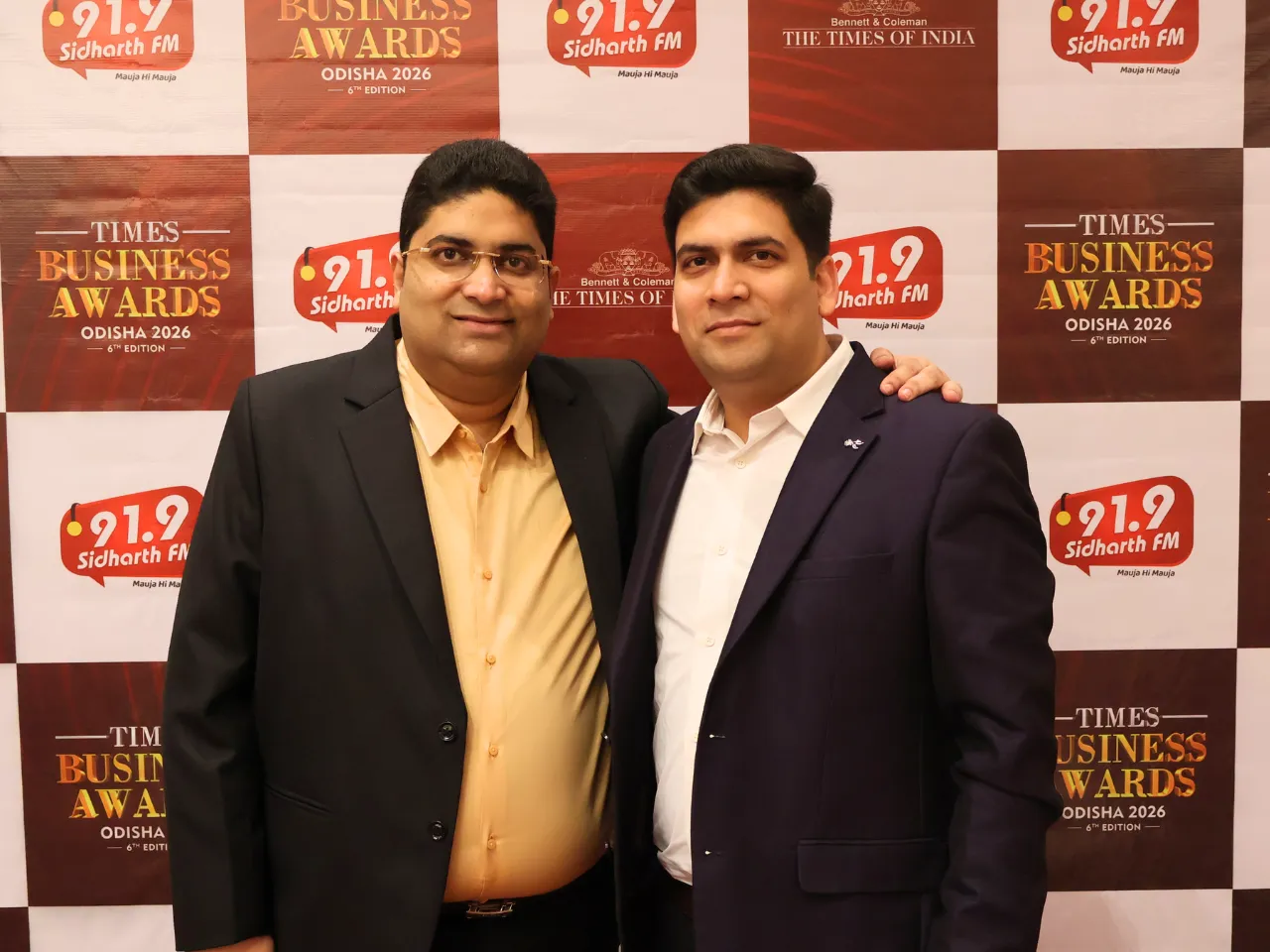
The founders, brothers Sumit and Siddharth Suneja, knew parents were ready for better—and built Rabitat to meet that demand with:
- Safety-first products (BPA-free, phthalate-free, toxin-free)
- Aesthetic, ergonomic design that kids and parents love
- D2C convenience that delivers straight to your doorstep
In a world where parents obsess over organic food and natural skincare, Rabitat tapped into the “safe everything” movement—and investors clearly took notice.
₹40 Crore in the Bank – But Who’s Backing Them?
The Series A funding was raised in two tranches and included an enviable list of backers:
- RPSG Capital Ventures
- DSG Consumer Partners
- Strategic investors like Capital A, Accurize Syndicate, Flair Writing Family Office, Eagle Venture Fund, and AG Ventures
And here’s where it gets really interesting—founders from The Souled Store, CureFit, and LivSpace also jumped in. That’s India’s D2C elite putting their money where their mouth is.
This isn’t just validation—it’s a loud signal: Rabitat is building something parents can’t ignore, and VCs can’t resist.
India’s ₹27,000 Crore Parenting Problem
Here’s the crazy part—India’s market for kids’ foodware and drinkware is worth over ₹27,000 crore (~$3.3 billion), yet there’s no clear category leader.
It’s fragmented, trust-deficient, and filled with unbranded or unsafe options. Rabitat’s strategy is razor-sharp:
- Win parent trust with safety
- Win kids with cool design
- Win distribution with D2C and marketplaces
- Win loyalty through high-touch brand experience
It’s the same playbook used by Mamaearth and Slurrp Farm—and now Rabitat’s running it to perfection.
What Will Rabitat Do With ₹40 Crore?
It’s not just about raising money. Rabitat has a clear plan:
✅ Scale manufacturing in India to keep quality high and costs low
✅ Expand product lines with newer SKUs and designs
✅ Invest in brand awareness to make Rabitat the default choice for modern parents
✅ Grow distribution across D2C, quick commerce, and possibly offline
In short: own the entire kids’ essentials category—from toddler to tweens.
From Functional to Foundational
Today, Rabitat sells lunchboxes and bottles. But tomorrow?
You’re looking at the foundation of an entire ecosystem:
Think feeding accessories, baby tableware, school accessories, eco-friendly alternatives, and maybe even collaborations with global brands or franchises.
With high repeat usage, trusted safety, and everyday relevance, Rabitat could easily become the “Apple” of kids’ daily essentials—one lunchbox at a time.
TL;DR – Why This Is a Big Deal
- Rabitat just raised ₹40 crore from top-tier VCs and operators
- Over 200,000 families already use its safe, non-toxic products
- The brand is targeting a ₹27,000 crore underserved market
- Investors are calling it a category creator in the making
If you’re a parent, you’ve probably bought something unsafe without realizing. If you’re an investor, you’ve probably missed this sleeping giant.
Rabitat is turning kids’ daily-use products into India’s next great consumer brand—and the race has only just begun.