


Kiwi Raises $24M to Kill Credit Cards as You Know Them — UPI Is the Future of Borrowing
If you thought credit cards were the future, think again.
Bengaluru-based startup Kiwi just raised $24 million to completely flip the script on how Indians access and use credit — and they’re doing it through something you already use every day: UPI.
This isn’t just another fintech raising money. Kiwi wants to make your UPI app your new credit card, and investors are lining up to make it happen.
The funding round was led by Vertex Ventures Southeast Asia and India, with major participation from existing backers Nexus Venture Partners, Stellaris Venture Partners, and Omidyar Network — bringing Kiwi’s total war chest to $43 million.
And they’re just getting started.
The Big Plan: Say Goodbye to Credit Cards, Say Hello to UPI Credit
Traditional credit cards? Too complicated. Too slow. And too limited. That’s the mindset behind Kiwi’s next big launch — credit lines on UPI, powered directly through your savings account.
No plastic. No swiping. No waiting.
Just open your favorite UPI app, tap to pay — and use a pre-approved credit limit sitting right inside your account.
This idea isn’t some fantasy — it’s backed by the Reserve Bank of India, which approved credit on UPI in 2023. Kiwi is now racing to be one of the first movers to build a real product around it.
Expected launch? Just six months away.
Here’s What Kiwi Has Already Pulled Off
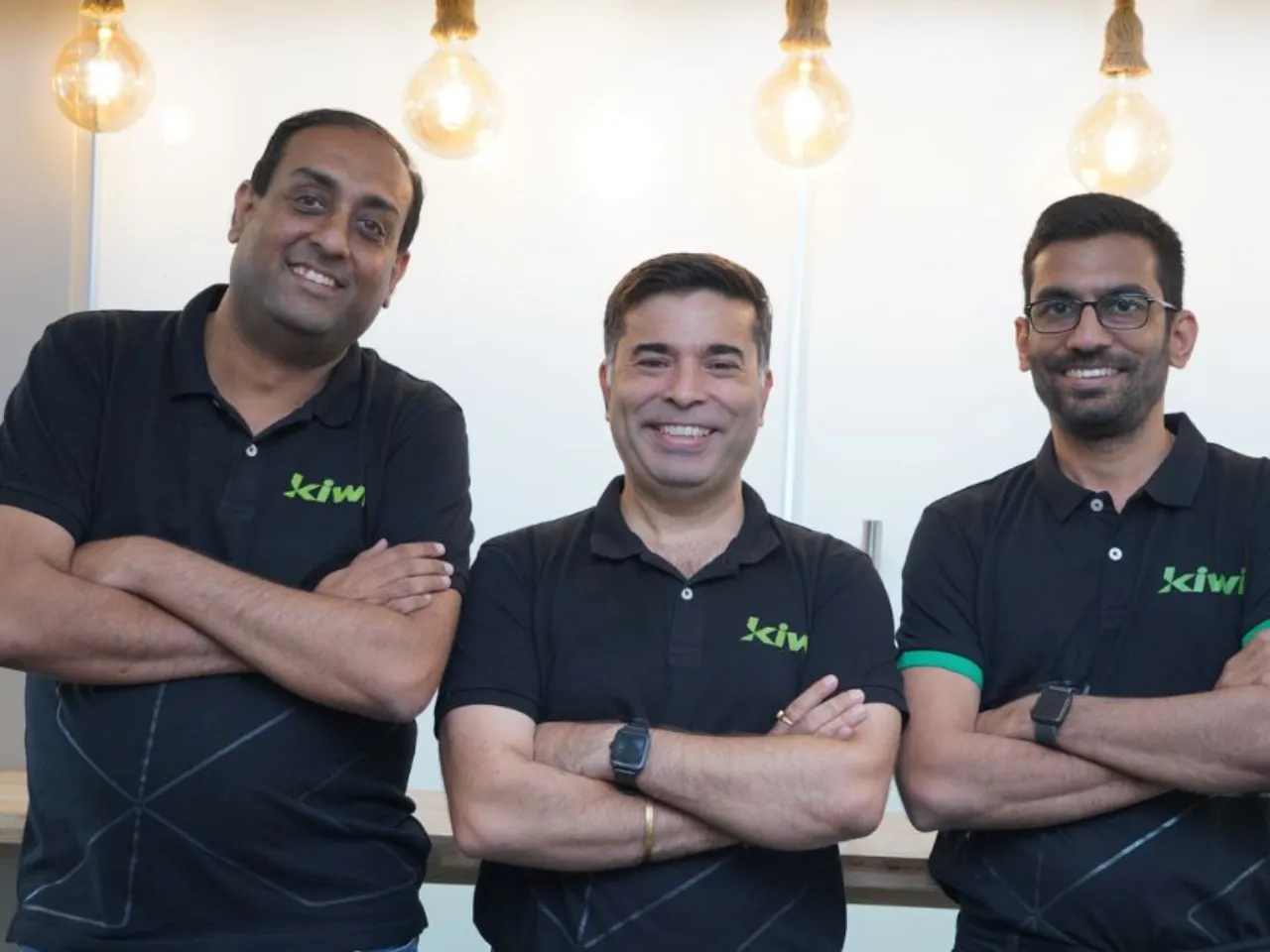
Founded in 2022 by former bankers Anup Agarwal, Siddharth Mehta, and Mohit Bedi, Kiwi didn’t waste time.
- They launched RuPay credit cards in partnership with Yes Bank and AU Small Finance Bank.
- Made them fully UPI-enabled — meaning you can use your credit card through a simple UPI scan.
- Issued over 200,000 cards within a year.
- Hit 5 million merchant transactions per month, across 600+ cities.
For a company that’s barely two years old, that’s explosive growth — and they’re aiming even higher.
By 2027, Kiwi wants to issue 1 million RuPay credit cards, become the go-to player for UPI-based credit, and rewrite how Indians think about spending.
What Will the $24 Million Be Used For?
This isn’t just about scale — it’s about disruption. Kiwi is gearing up to:
- Launch credit lines on UPI, making instant borrowing available to anyone with a smartphone.
- Partner with more banks to expand credit card options.
- Roll out EMI-on-UPI, turning your daily spending into manageable installments.
- Add features like custom limits, family cards, and smart budgeting tools inside your UPI app.
- Build a platform that works across all major UPI apps — PhonePe, Google Pay, Paytm, and more.
And while others talk about inclusion, Kiwi is actually doing it — bringing instant, paperless credit to first-time borrowers and underbanked users in India’s heartland.
Why This Changes Everything
UPI has already eaten the wallets of debit cards, cash, and wallets like Paytm. The next domino? Credit cards.
With more than 350 million users and 19 billion+ UPI transactions every month, UPI has become India’s default way to pay. But guess what? Only 4% of Indians own a credit card.
That’s where Kiwi sees its billion-dollar opportunity.
Instead of forcing users to apply for complicated credit cards, Kiwi is embedding credit right inside their daily UPI experience. That’s like turning every UPI app into a mini credit card — but faster, cheaper, and more flexible.
For banks, it means rapid scale without infrastructure. For users, it means instant access to funds. For Kiwi, it means leading India’s next financial revolution.
Final Word: Credit is About to Go Viral
Kiwi isn’t just building another credit product — they’re building the future of how India borrows, spends, and manages money.
With UPI becoming more powerful by the day, and traditional credit systems too slow to catch up, Kiwi is perfectly positioned to lead a credit-on-UPI takeover.
$24 million is just fuel for what could be one of the biggest fintech shifts in the country.
If you’ve ever scanned a QR code to pay — your next scan might just come with a credit line.