

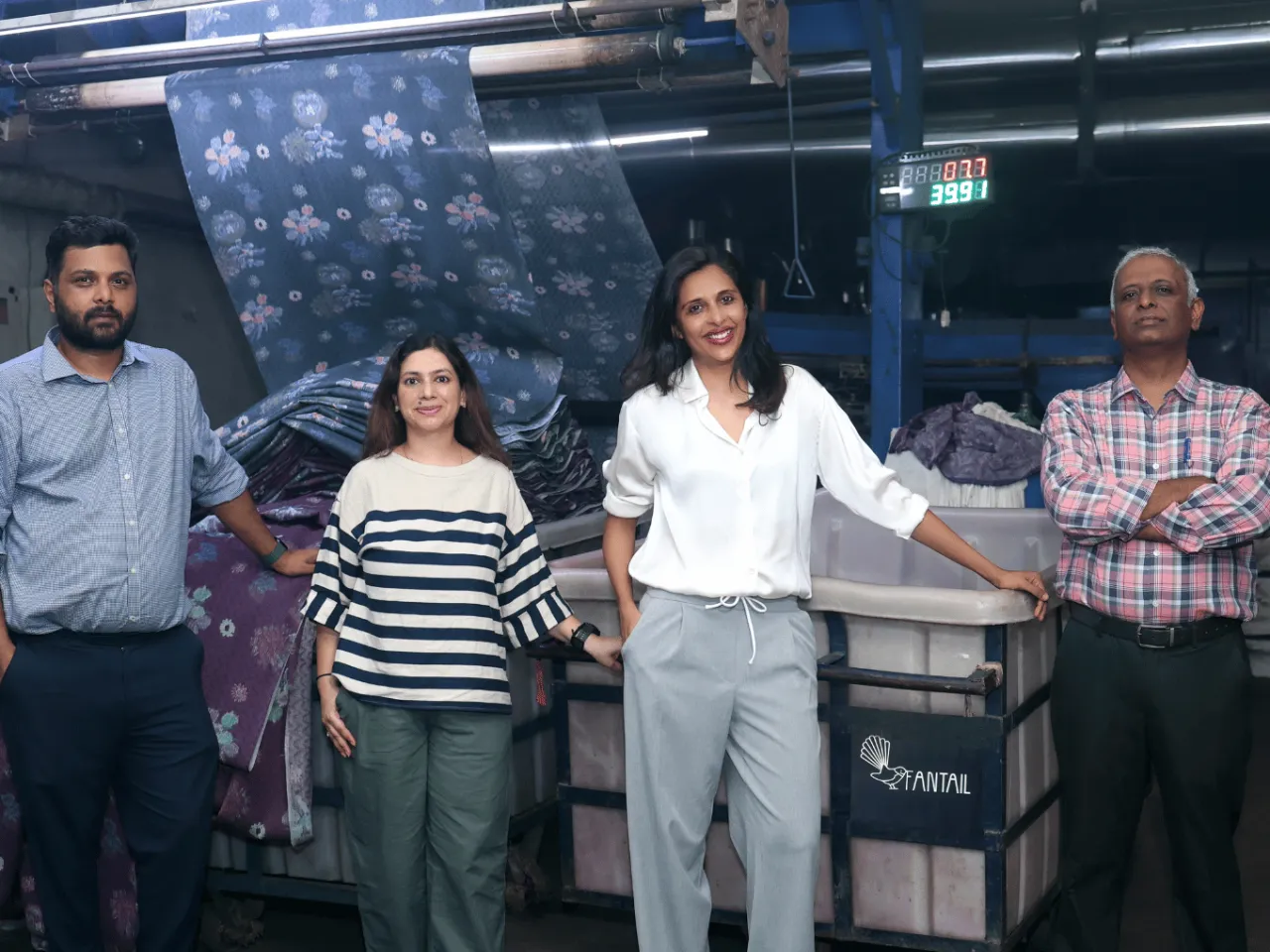

In the heart of India’s textile capital, Surat, a new startup is causing ripples that could transform the entire fabric industry. Fantail, a bold B2B platform aimed at revolutionizing synthetic textile manufacturing, has just raised Rs 13.75 crore (around $1.6 million) in a fresh seed funding round led by heavyweight investors like Riverwalk Holdings, Incubate Fund Asia, and All In Capital. But what makes this relatively young company such an attractive bet? And could this be the next big game changer for a global industry worth billions?
The Fabric of an Industry in Flux
The global textile market, especially the man-made fiber (MMF) segment, is undergoing rapid change. Consumers demand faster production cycles, higher quality, sustainability, and traceability — all while costs stay competitive. Traditionally, textile manufacturing has been fragmented, slow, and riddled with inefficiencies. That’s where Fantail’s vision comes in.
Founded just two years ago by industry expert Ramya Iyer, Fantail aims to knit together the entire textile value chain — from raw yarn procurement to weaving, processing, and finishing — onto a single digital B2B platform. Unlike legacy operations that operate in silos, Fantail integrates the ecosystem, enabling seamless collaboration between weavers, mills, processors, and value-addition units.
Why Surat?
Surat is no stranger to textiles. Known as the “Silk City” and a global hub for synthetic fabric production, the city produces millions of meters of cloth every day. However, much of this manufacturing still relies on manual coordination, paperwork, and outdated tech — hampering growth and scaling.
Ramya Iyer, who has spent over a decade embedded in Surat’s textile ecosystem, knows these challenges inside out. “In B2B, timing is everything,” she says. “By solving for scale and efficiency here, we’re unlocking tremendous potential. Surat can become a global powerhouse not just in volume, but in innovation.”
With Fantail’s digital-first approach, clients can track orders in real time, access verified suppliers, streamline quality control, and reduce costly delays — all while increasing transparency and reducing errors. The platform’s ability to connect every stage of production digitally is a breath of fresh air in an industry hungry for modernization.
What Will the Funding Do?
The recently closed seed round will supercharge Fantail’s ambitions. The $1.6 million war chest will be invested in:
- Upgrading machinery and automation to improve production speed and consistency
- Streamlining backend operations through enhanced tech and AI tools
- Strengthening SME partnerships across Surat’s sprawling textile ecosystem
- Hiring top talent in design, quality control, and technical domains to fuel innovation
Ramya is clear that while the startup’s foundation is solid, there’s a long journey ahead. “We’re building the backbone of Manufacturing 2.0 in India’s textile industry. This funding gives us the runway to scale rapidly and build a brand that can compete globally.”
Betting Big on a Textile Renaissance
Investors clearly see the potential too. Riverwalk Holdings and Incubate Fund Asia are veteran backers in the manufacturing and tech space, and their participation signals confidence that Fantail can deliver on its promises.
The global textile market was valued at over $1 trillion in 2024 and is expected to grow steadily as demand for innovative, sustainable fabrics rises. Platforms like Fantail that bridge digital transformation with on-the-ground manufacturing are ideally placed to capture this growth.
Moreover, the ongoing push for sustainability adds urgency. By digitizing the supply chain and integrating processes, Fantail can reduce waste, track material origins, and enable greener production — something major global buyers increasingly demand.
The Future of Manufacturing is Now
Fantail’s story is a microcosm of a much larger trend sweeping across traditional industries — the digitization and democratization of manufacturing.
For decades, India’s textile industry has been the backbone of its economy, employing millions but struggling with outdated practices. Now, startups like Fantail are injecting fresh energy, technology, and ambition to put Indian textiles on the cutting edge.
Ramya’s vision is clear: “We want to create a globally recognized MMF brand from Surat, one that stands for quality, efficiency, and innovation.”
Why You Should Keep an Eye on Fantail
If you’re wondering whether Fantail is just another startup or a genuine disruptor, consider this: they’re tackling some of the textile industry’s most stubborn pain points with a tech-first mindset, backed by experienced investors and a founder who truly understands the ecosystem.
As the company scales, it could reshape how synthetic fabrics are made, from India and for the world. That’s a big deal, given Surat’s current status as a textile powerhouse and the global appetite for faster, smarter manufacturing.
With fresh capital, a clear vision, and a fast-growing market, Fantail is poised for a breakthrough.
Final Thoughts
The $1.6 million seed funding round might seem modest compared to billion-dollar tech startups, but in the manufacturing space, it’s a giant leap toward modernization. Fantail is setting the stage for an industrial renaissance in Surat, merging deep local knowledge with cutting-edge technology.
For industry insiders, investors, and anyone interested in the future of fashion and manufacturing, Fantail is a startup worth watching. It’s not just about fabric anymore — it’s about weaving a new story of innovation, scale, and sustainability from one of the world’s most vibrant textile hubs.