
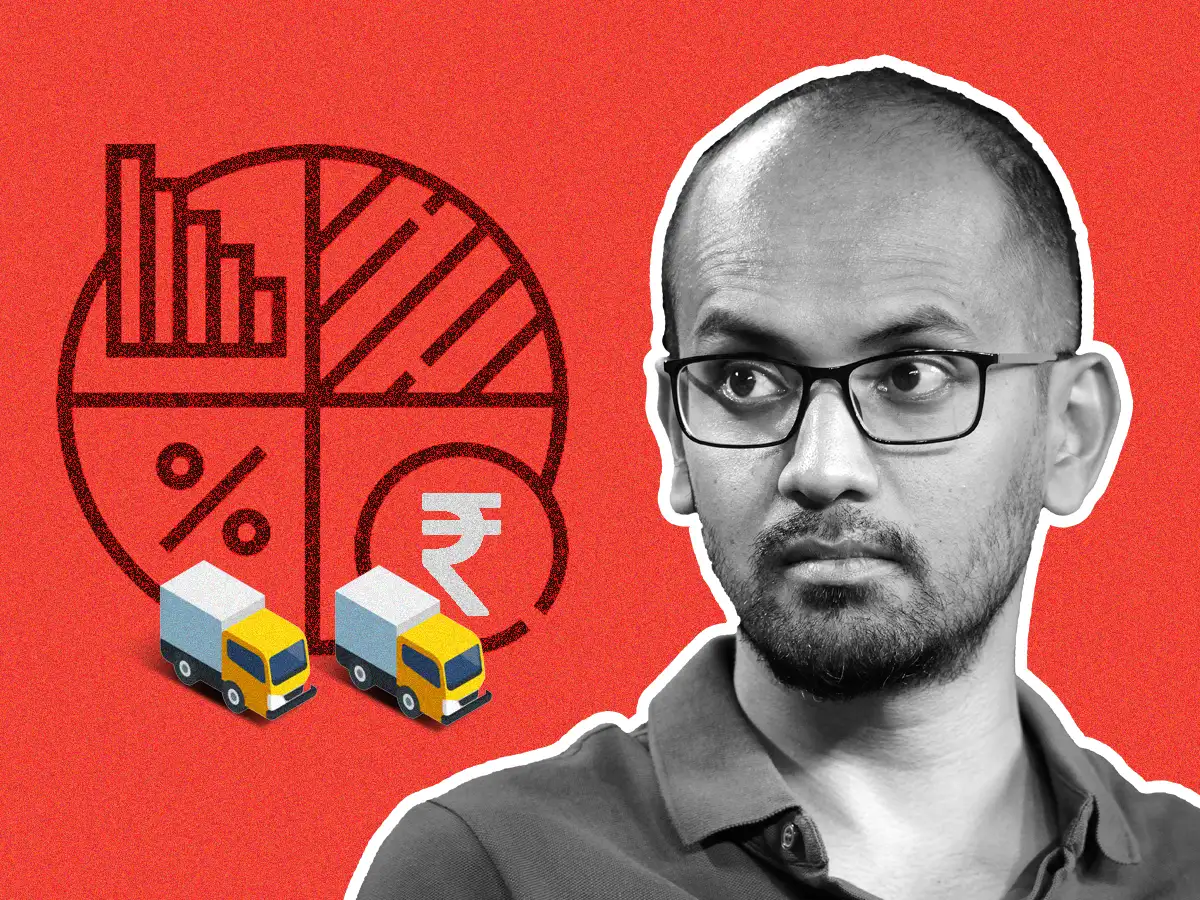

In an unexpected move, Sahil Barua, the co-founder and CEO of Delhivery, has officially resigned from his position as an Independent Director at Swiggy. The announcement sent ripples through the Indian startup scene, leaving many to wonder: Why did he step down, and what does this mean for Swiggy?
Swiggy confirmed that Barua’s resignation came with no “material reasons” beyond what was stated in his letter. But is that the whole story? Or is there something else happening behind the scenes?
Let’s break it down.
The Big Question: Why Did Sahil Barua Really Resign?
While Swiggy’s official statement claims there’s no big drama behind Barua’s exit, we can’t help but ask: Is there more to the story? Here are the top theories swirling around:
1. A Hidden Power Struggle?
Was there a clash of visions between Barua and Swiggy’s leadership? Barua’s deep expertise in logistics and supply chain has been invaluable for Swiggy, so why would he suddenly step down? Some insiders are speculating that this could be a power struggle at the board level. Could this be a sign of bigger shifts to come?
2. A Strategic Move Ahead of Swiggy’s IPO?
Swiggy has been hinting at a possible IPO for months, and major moves like this usually happen just before huge company shifts. Is this part of a larger strategic realignment to position Swiggy for its public debut? Barua’s exit might have been planned to pave the way for fresh leadership.
3. Too Much on His Plate?
As CEO of Delhivery, Barua has his hands full. Running a publicly listed logistics giant is no easy feat, and it’s likely that he’s just focusing all his energy on scaling Delhivery. But could the real reason be personal—maybe Barua just didn’t have time to juggle both roles anymore?
Who Is Sahil Barua, and Why Does This Matter?
If you don’t know Sahil Barua, it’s time to get familiar. As the CEO of Delhivery, Barua turned his logistics startup into a unicorn before taking the company public. He’s a major player in the Indian startup ecosystem.
His role as Independent Director at Swiggy gave the food delivery giant access to critical logistics expertise—something that has been a major advantage as Swiggy expanded its offerings. So, Barua’s exit from the board raises more questions than answers.
What Does This Mean for Swiggy?
Swiggy’s leadership has been under pressure recently, juggling multiple challenges in a fiercely competitive market. Barua’s resignation might be a sign of bigger changes in the works. Here’s what could happen next:
1. Is Swiggy Preparing for a Shake-Up?
When big names like Barua leave the board, it often signals a shift in strategy. Could Swiggy be repositioning itself for something even bigger—like a major acquisition or pivot into new markets? With Instamart and other new services gaining traction, don’t be surprised if there are some surprise moves ahead.
2. IPO Countdown – Is This a Part of the Plan?
Swiggy has been preparing for an IPO, and board restructuring is a common step before going public. This could be a well-timed move to align the board with investors’ expectations, signaling that Swiggy is taking its next step towards becoming a publicly traded company.
Is This the End of an Era for Delhivery?
Barua’s focus is likely shifting entirely to Delhivery, which has its own growing challenges and opportunities. After its IPO, the company is expected to face fierce competition in the logistics space. With Barua now fully focused on Delhivery, could Swiggy’s loss be Delhivery’s gain?
The Real Question: What Happens Next?
Sahil Barua stepping down from Swiggy’s board might seem like a small corporate update, but in the world of high-stakes startups, nothing is ever as simple as it seems. This could be a sign of things to come for both companies—and for India’s startup ecosystem as a whole.
Is Barua leaving a sign that bigger moves are happening behind the scenes? What’s next for Swiggy, and who will step up to replace him? Stay tuned, because this story is far from over.