


Scammer Texts Paytm CEO Pretending to Be… Paytm CEO! Internet Can’t Handle the Irony
Imagine getting a message from yourself… that you didn’t send.
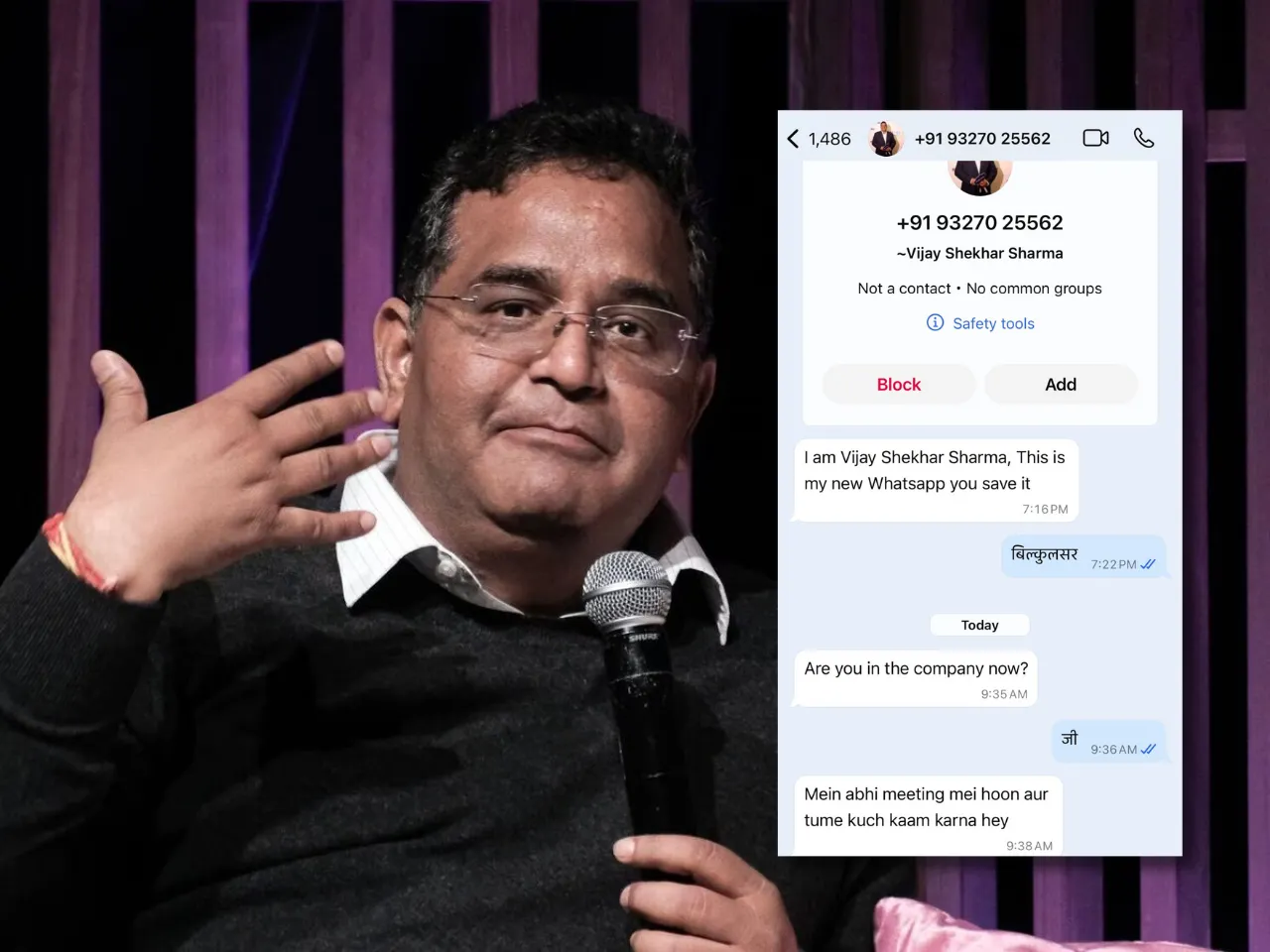
That’s exactly what happened to Paytm founder and CEO Vijay Shekhar Sharma, who received a bizarre WhatsApp message from someone claiming to be—wait for it—Vijay Shekhar Sharma.
Yes, someone tried to scam the real Vijay Shekhar Sharma by pretending to be him. In an epic moment of irony, Sharma shared the experience on X (formerly Twitter), saying:
“Impersonating myself to me.”
The screenshot shows the scammer casually asking:
“Are you in the company now?”
Spoiler alert: They were texting the actual CEO of the company. Oops.
“Hi, I’m You.” – The Bold New Face of Scams
This laugh-out-loud moment has the internet buzzing, but behind the humor lies a serious truth: scam attempts are getting bolder, weirder, and more personal.
The impersonator didn’t just choose a random name—they picked the CEO of one of India’s biggest fintech giants and tried to run a scam directly on him. That’s like trying to con a chef by pretending to be their own recipe.
And if a scammer thinks they can fool a tech billionaire with his own identity, imagine what they’re trying with the rest of us.
Not Just Funny—This Is a Warning Sign
While the whole situation seems like something out of a comedy sketch, it highlights a growing cyber threat. Scammers are now:
- Impersonating executives
- Targeting high-profile individuals
- Using real names and roles to sound legit
These messages often look normal at first glance. But even one click or reply can lead to identity theft, money loss, or data compromise.
If Vijay Shekhar Sharma is getting hit with this kind of nonsense, it’s a big red flag for the rest of us.
What Can You Do If “You” Text You?
1. Pause Before You Reply
If a message feels even slightly off, don’t respond right away. Check the contact name, profile picture, and number carefully.
2. Verify Through Official Channels
If someone claims to be a colleague or boss, call them directly or use verified contact methods.
3. Don’t Click Unknown Links
Scammers often follow up with a suspicious link or file. Don’t touch it.
4. Block and Report
If someone is impersonating you—or someone else—block them and report it to the platform.
Why the Internet Can’t Stop Laughing
Of course, the situation blew up online. Techies, CEOs, and everyday users are cracking jokes, calling it:
- “Scammer inception”
- “CEO vs. CEO: The Mirror Match”
- “The boldest scam fail ever”
But everyone agrees: this was a legendary fail for the scammer, and a power move by Sharma for calling it out publicly.
Bottom Line: Stay Alert, Even If the Message Comes From “You”
The funniest part of this scam attempt is also the scariest: we’re now at a point where fraudsters are so automated and widespread, they don’t even know who they’re texting.
Today it’s a hilarious message to a billionaire.
Tomorrow, it could be your name, your photo, your contacts — and someone else on the receiving end.
Stay smart. Stay skeptical. And if “you” ever text yourself… maybe don’t reply.