

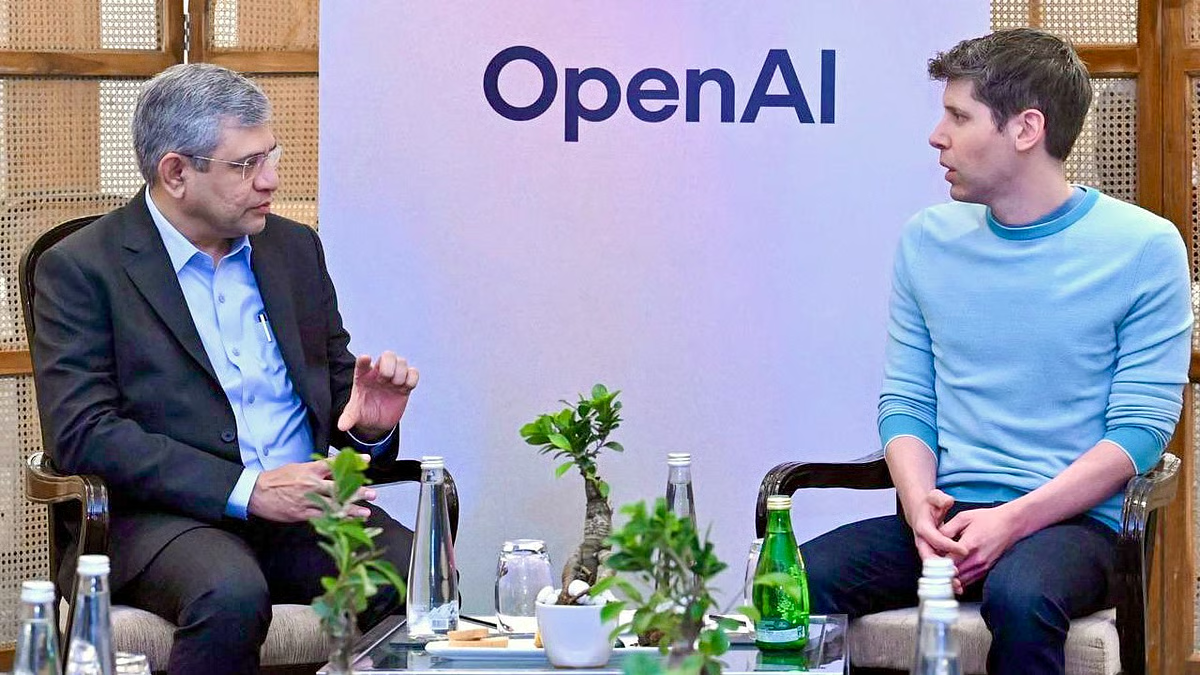

OpenAI, the company behind the world-famous AI chatbot ChatGPT, is making a huge leap in India. The tech giant is all set to open its very first office in New Delhi later this year — marking a major milestone in its global expansion strategy and signaling India’s growing importance as a powerhouse in artificial intelligence.
This isn’t just another office launch. It’s a game-changing step toward making AI more accessible, relevant, and tailored for one of the fastest-growing digital markets in the world.
Why India? Why Now?
India has rapidly become OpenAI’s second-largest market after the US — and for good reason. The country’s user base for ChatGPT has exploded, with weekly active users growing more than four times over the past year. With millions of students, developers, and enterprises relying on AI-powered tools, India stands out as a vibrant hub of AI innovation.
OpenAI’s CEO, Sam Altman, emphasized the significance of this move, calling it “an important first step in our commitment to build AI for India, and with India.” This means the company is not just entering the market but actively engaging with local talent, culture, and challenges to create smarter, more customized AI solutions.
A Strategic Boost for Indian AI Talent
The company is already on a hiring spree, seeking the best minds across India to join its local team. This is exciting news for developers, researchers, and AI enthusiasts looking to work with one of the most cutting-edge AI firms in the world — right on home turf.
The Indian government is also thrilled. Ashwini Vaishnaw, Union Minister for Electronics and IT, Railways & Information Broadcasting, hailed OpenAI’s decision as a testament to India’s leadership in digital innovation and AI adoption. He pointed to India’s robust digital infrastructure and vast AI talent pool as key reasons why the country is perfectly positioned to lead the next AI revolution.
More Affordable AI Access for Indian Users
OpenAI recently launched its cheapest monthly subscription plan for ChatGPT in India at just $4.60 (roughly Rs 400). This affordable pricing is a clear sign that OpenAI wants to ensure its technology reaches the widest possible audience in India — from students and startups to large enterprises.
Lower costs, combined with the local office, means faster support, region-specific features, and AI tools designed to address India’s unique languages, industries, and use cases.
What Does This Mean for India’s AI Future?
The arrival of OpenAI’s office signals that India is no longer just a consumer of AI technology but is becoming a major contributor to its development. With access to OpenAI’s resources and expertise, local startups and developers will be empowered to innovate faster, solve homegrown problems, and compete on a global scale.
For the millions of Indian students already using ChatGPT as a study aid, coding assistant, and creative partner, this move promises even better, more localized AI experiences.
The Global AI Race Is Heating Up — India Is a Key Player
OpenAI’s commitment to India also underscores a larger trend: the global AI race is intensifying, and India is emerging as a critical battleground. With a huge developer community ranked among the top five globally on OpenAI’s platform, plus one of the largest student populations using AI, India is quickly becoming a tech superpower in its own right.
By establishing a physical presence in New Delhi, OpenAI is positioning itself to tap into this vast potential and influence the future of AI development from within India.
What’s Next?
Expect OpenAI’s India office to roll out new products, partnerships, and research initiatives tailored to Indian needs. This could range from AI-powered education tools in multiple Indian languages to AI solutions for agriculture, healthcare, and finance — sectors vital to India’s growth.
The company’s India launch is just the beginning of a deeper collaboration between global AI leaders and India’s thriving tech ecosystem.