
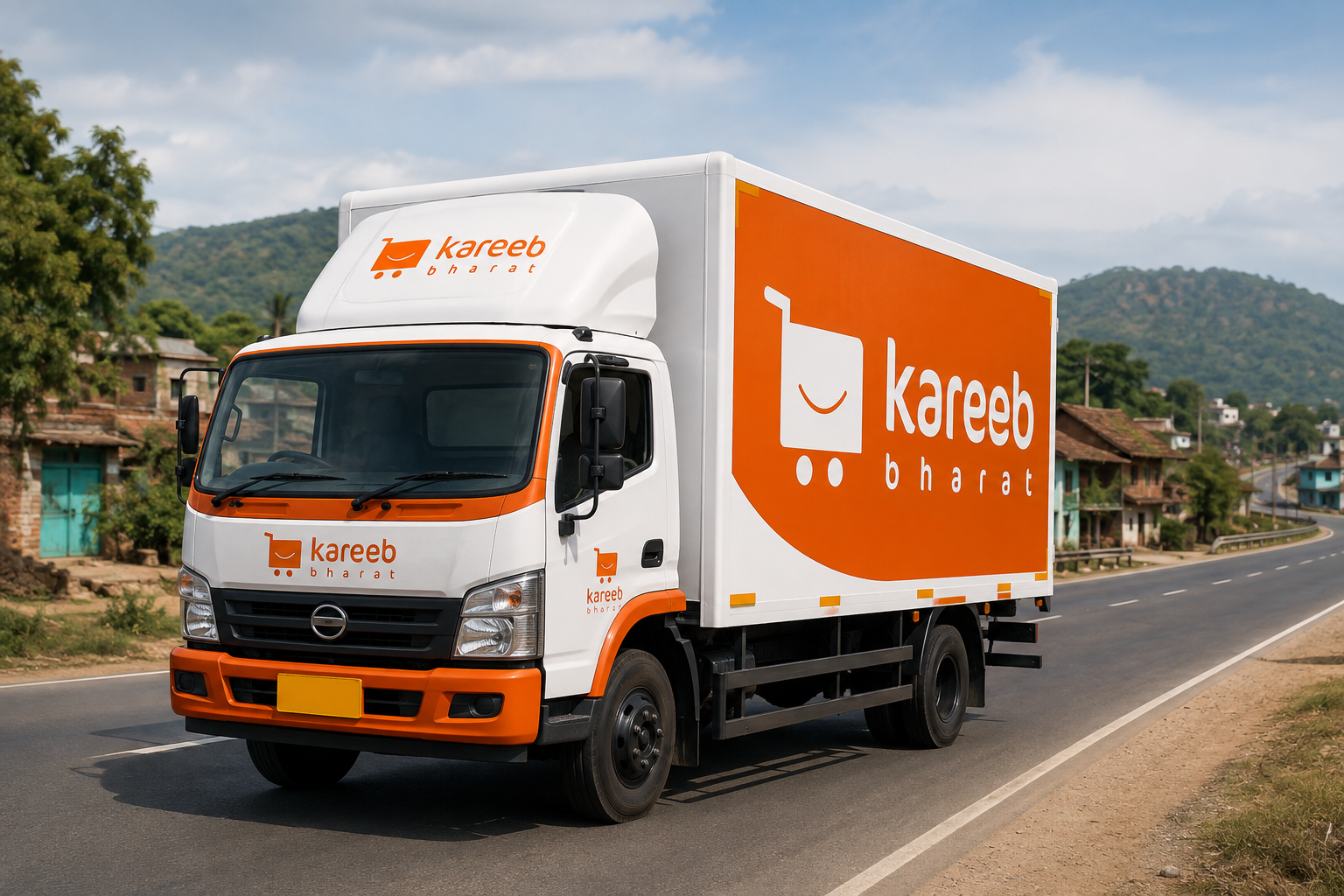

“It’s easy to deliver a phone charger in Mumbai. Try delivering a refrigerator to a village 300 kilometres away.”
That difference captures one of the biggest challenges facing the next phase of India’s consumption story. For a long time, people have been looking at how retail is changing in India through the eyes of its largest cities, where consumers have a lot of choices – many brands, organized retailers, quick commerce, and online marketplaces that are getting more advanced. However, as these big city markets get more competitive, a bigger opportunity is coming up in smaller towns, districts, and villages across the country. These areas are largely untapped and could be the key to the next phase of India’s retail growth.
The question is, how can companies tap into these smaller markets, where consumers have different needs and shopping habits?
It’s a complex problem, but one that could unlock a lot of potential for India’s economy. As the country’s retail landscape continues to evolve, it will be interesting to see how companies adapt to these changing times and find ways to reach consumers beyond the big cities.
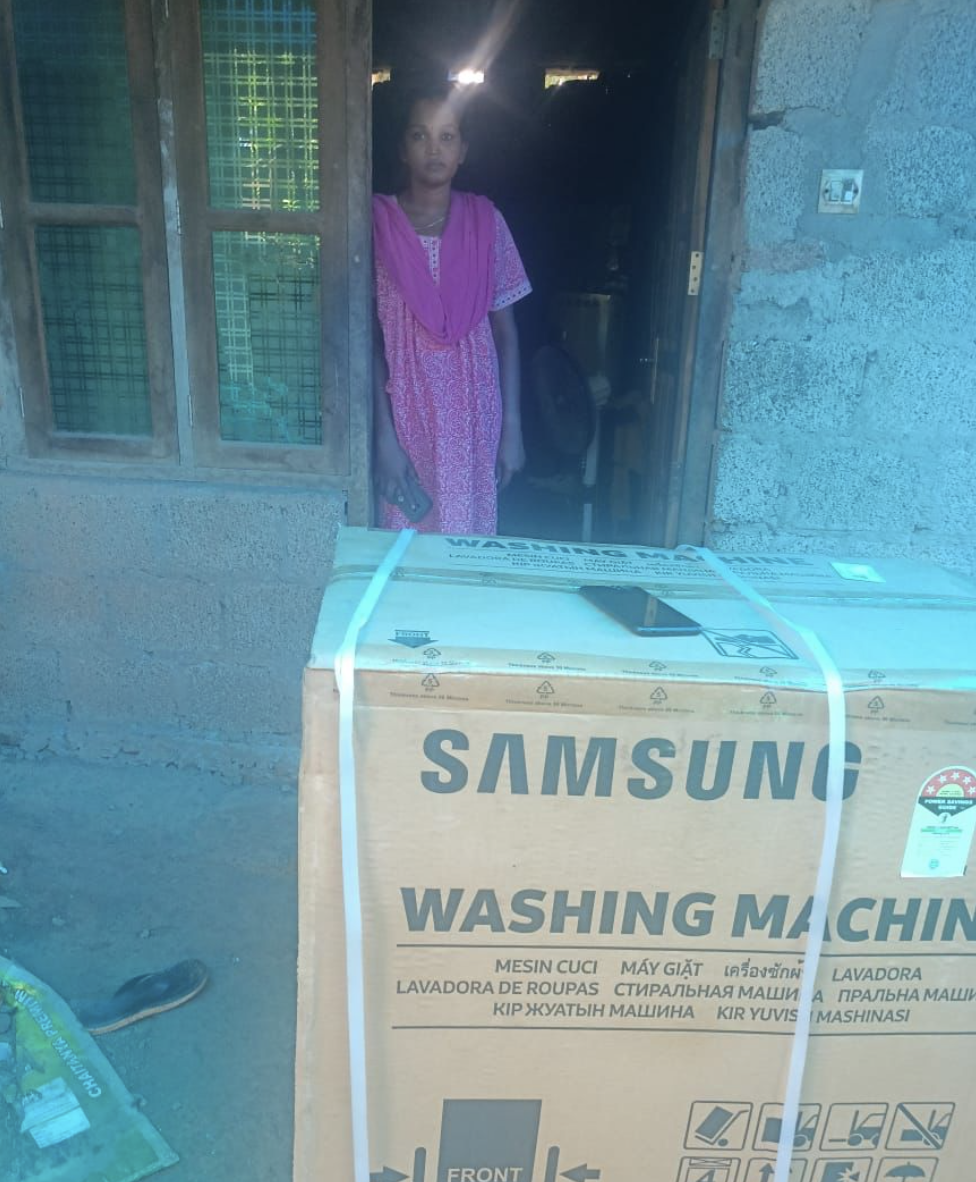
The aspiration is already there. Families across Bharat want the same televisions, refrigerators, washing machines, smartphones and home appliances that consumers in urban India buy. Their aspirations are not fundamentally different. What remains different is the level of access. Consumers in many smaller markets still have fewer choices, limited availability and a more complicated fulfillment experience, particularly when it comes to large-format products.
This makes the next phase of India’s retail story less about creating demand and more about solving access.
And access, particularly in Bharat, cannot be created through an app alone. It requires physical infrastructure, technology, supply-chain capabilities and fulfilment systems that are designed around the realities of smaller markets.
That is the opportunity Kareeb Bharat is building for.
Building retail for Bharat
Kareeb Bharat was created as a technology-led retail and fulfilment platform focused on underserved markets, with the ambition of connecting brands, retailers and consumers through an operating model built specifically for Bharat. Instead of simply extending an urban e-commerce model into smaller markets, the company has focused on understanding the operational challenges that make commerce in these markets fundamentally different.
Getting to that point wasn’t easy. Kareeb Bharat had to try a lot of different things before they found something that really worked. They had to question their assumptions, change the way they did things, and look at their business model over and over again.
The problem was, there wasn’t a clear plan for building a big retail and delivery network that could reach customers in really remote areas of India. They had to figure it out as they went along. Kareeb Bharat kept trying new things and adjusting their approach until they found a way to make it work. It was a process of trial and error, but eventually they found a model that they thought could support a big and successful business.
Delivering a small parcel and delivering a refrigerator are two very different operational problems. A smartphone can move through a conventional parcel network, but a television, washing machine or refrigerator requires a much more complex chain of movement and coordination. Products may travel from OEM warehouses to regional mother hubs, then to micro fulfilment centres before finally reaching a customer’s home.
Each district can introduce another layer of complexity. Road connectivity, infrastructure, inventory availability, local logistics capabilities and customer expectations can vary significantly from one market to another. Building a dependable retail experience across these conditions requires more than technology at the customer interface; it requires technology embedded across the entire operating system.
This is where Kareeb Bharat’s approach to technology and process becomes important.
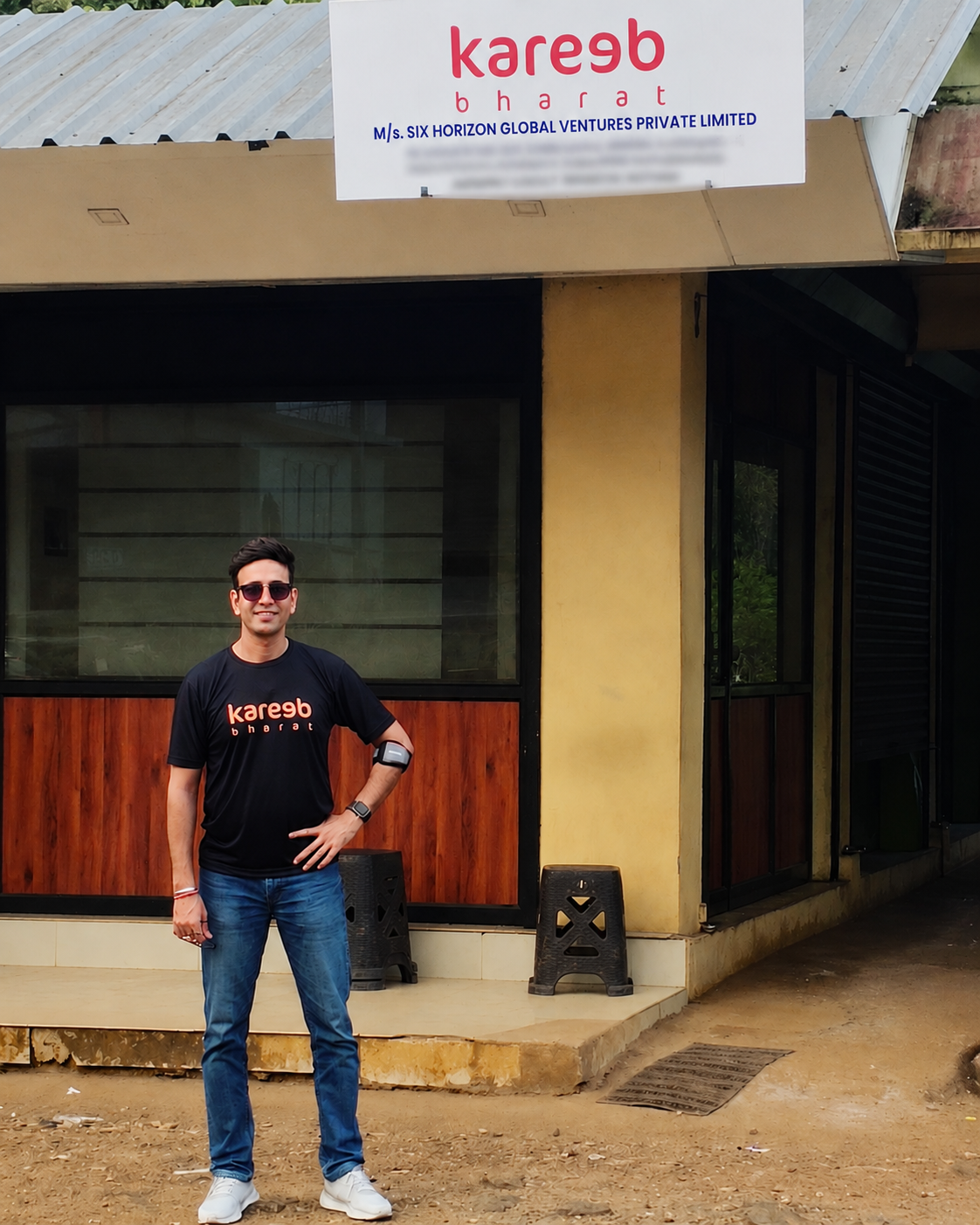
Ashish Malviya, Founder and CEO of Kareeb Bharat, puts this philosophy simply: “We believe in technology and process. Every operational challenge is an opportunity to build a smarter system. We are building these systems today for the scale we envision tomorrow.”
The idea reflects a broader shift taking place across India’s new generation of businesses. Technology is no longer simply a customer-facing layer. Increasingly, it is becoming the infrastructure through which companies manage inventory, fulfilment, logistics, decision-making and operational efficiency.
What bootstrapping taught Kareeb Bharat about scale
Kareeb Bharat has also built its journey without external funding. While this was not necessarily a deliberate attempt to make a statement about venture capital or fundraising, operating without outside capital created a different set of priorities for the business.
When capital is limited, efficiency becomes part of the company’s DNA. Instead of solving every operational problem by adding people or spending more, businesses are forced to examine whether the underlying system can be improved. Technology investments have to create measurable value, processes need to become repeatable and each operational decision has to contribute towards building a stronger business.
For Kareeb Bharat, this environment helped reinforce a systems-first approach to growth. The objective was not simply to expand faster, but to understand what needed to work consistently before taking that model into more markets.
That discipline could become increasingly relevant as Indian businesses enter their next phase of scale. The companies that grow sustainably may not necessarily be those that build the largest teams, but those that create the strongest combination of technology, automation, artificial intelligence and operational processes.
In that sense, the ability to scale may increasingly depend on leverage rather than headcount.
Bharat’s consumption opportunity
The opportunity becomes even more significant when India’s rural consumption potential is considered. Nearly 52% of rural consumption comes from the top 30% of rural households, a segment expected to account for more than $540 billion in annual spending by 2030.
These numbers point towards a fundamental misconception about Bharat’s consumption market. The issue is not necessarily that consumers lack purchasing power or aspiration. Instead, many consumers continue to face limitations around product availability, assortment and reliable access to organised retail.
For businesses, that creates a significant opportunity. The next retail revolution may not simply involve convincing consumers to buy more. It could involve creating the infrastructure that allows millions of consumers who already want modern products to access them more easily.
That is where the distinction between an e-commerce marketplace and a retail infrastructure platform becomes important.
From B2B2C to a wider consumer network
Kareeb Bharat’s next phase is focused on expanding beyond its B2B2C foundation and moving further into a direct B2C model. The company is building a growing network of micro and mini fulfilment centres that can bring a wider assortment of products closer to consumers, ranging from large appliances to everyday essentials.
The ambition is not simply to reduce delivery times. It is to reduce the role geography plays in determining what a customer can purchase.
For a consumer living in a major city, access to a television, refrigerator or washing machine can often be taken for granted. For someone living hundreds of kilometres away from a major retail hub, the same purchase can involve limited assortment, higher friction and a more complicated delivery process.
Kareeb Bharat’s model is built around narrowing that gap.
Whether an order reaches a consumer within a few hours or within three days, the larger objective remains consistent: the location of a customer should not determine the quality of their retail experience.
The next retail battle will be about access
India’s retail market is entering a stage where simply putting products online will no longer be enough. Consumers are already becoming digitally connected, but digital discovery does not automatically translate into physical access.
A customer may be able to find a refrigerator online within seconds. The more difficult question is whether that refrigerator can be moved efficiently through the supply chain, delivered safely to the customer’s doorstep and supported after the purchase.
That is where the next generation of retail companies will have to compete.
The winners in Bharat may not necessarily be the businesses with the biggest advertising budgets or the most visible apps. They could be the companies that quietly solve the difficult operational problems behind the screen , inventory placement, fulfillment, logistics, technology, local execution and customer service.
The physical layer of commerce may ultimately become just as important as the digital layer.
Building the infrastructure for Bharat
This is why the opportunity Kareeb Bharat is pursuing extends beyond any single category. It is not simply about selling more appliances or expanding the availability of individual products. The larger opportunity lies in creating an operating infrastructure through which modern retail can reach markets that have historically remained underserved.
India’s next consumption wave will be shaped by millions of households across smaller cities, towns and villages. As incomes rise, digital adoption increases and aspirations converge with those of urban consumers, the question will increasingly become whether the country’s retail infrastructure can keep pace.
For companies building in this space, the opportunity is therefore much larger than the size of today’s transaction.
It is about the number of households that could participate more fully in modern retail if access improves.
Kareeb Bharat’s larger bet is built around that idea: that Bharat does not need a different consumption story. It needs the infrastructure to participate in the same consumption story.
The next decade of Indian retail will therefore not be decided only by what happens in Mumbai, Delhi, Bengaluru or Hyderabad. It will also be shaped by what becomes possible in the districts beyond them.
And for Kareeb Bharat, the journey is about building that possibility of one market, one fulfilment centre and one customer at a time.