

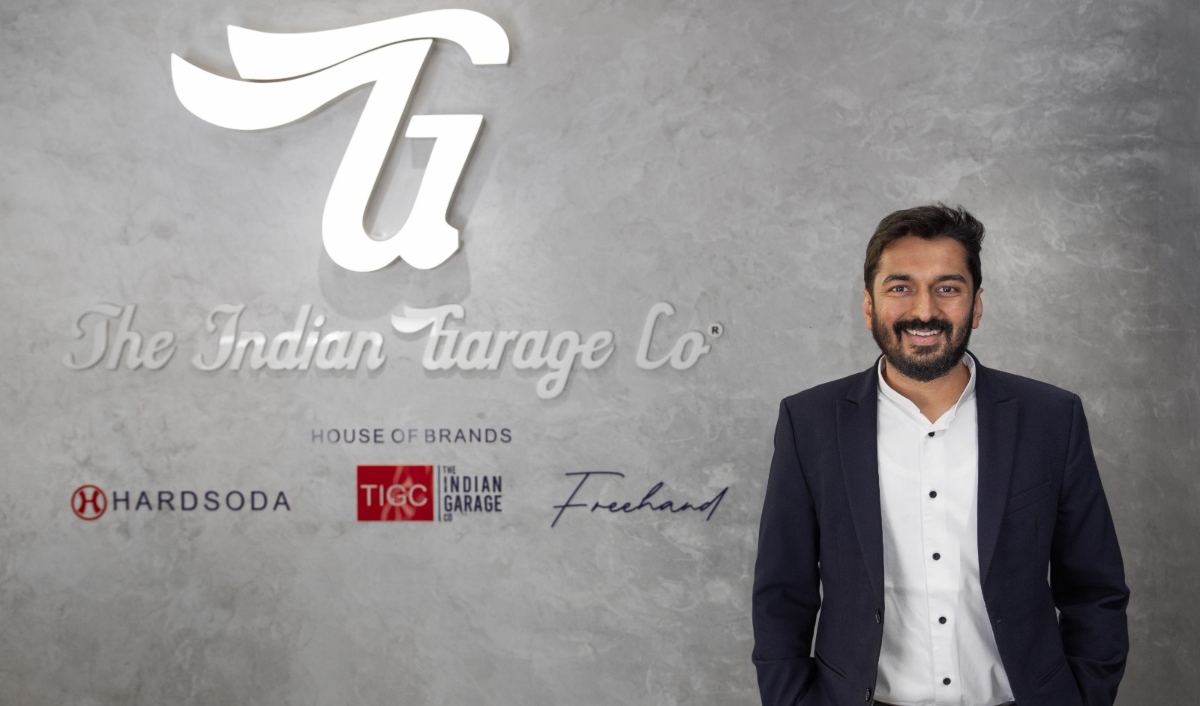

Bengaluru-based men’s apparel brand, The Indian Garage Co, has achieved a major growth milestone by doubling its revenue in the fiscal year ending March 31, 2025. However, the company’s rapid expansion came at a cost: it slipped into losses as expenses grew faster than revenue.
According to financial statements filed with the Registrar of Companies (RoC), the brand’s operating revenue rose to Rs 204 crore in FY25, up from Rs 101.5 crore in FY24. While this growth reflects strong market demand and brand traction, the company was unable to maintain profitability amid rising operational and expansion costs.
Revenue Growth Driven by Scale
Doubling the Top Line
The company’s revenue growth reflects its aggressive scaling strategy, including expansion into new retail outlets, increasing production capacity, and enhancing its e-commerce presence. This approach helped the brand reach a wider audience and capture a larger market share in the competitive men’s apparel segment.
Expansion Across Channels
The Indian Garage Co has been investing in both offline and online channels, boosting its visibility in Tier 1 and Tier 2 cities. This multi-channel strategy has contributed significantly to the doubling of revenue, signaling the brand’s increasing appeal among men’s fashion consumers.
Why Profits Took a Hit
Expenses Outpaced Revenue
While the company’s revenue doubled, operational and expansion expenses surged, leading to a net loss. Rising costs included new store openings, inventory procurement, marketing campaigns, and investment in technology and logistics infrastructure to support growth.
Strategic Decision to Prioritize Growth
The decision to invest heavily in scaling operations appears deliberate, with the company prioritizing long-term market presence over short-term profitability. While this strategy has increased brand recognition and revenue, it has also temporarily eroded margins.
Financial Snapshot FY24 vs FY25
| Metric | FY24 | FY25 | Growth |
|---|---|---|---|
| Operating Revenue | Rs 101.5 Cr | Rs 204 Cr | 101% |
| Profitability | Positive | Loss | N/A |
The numbers clearly show a doubling in revenue, but the lack of profitability highlights the challenges of scaling quickly in the apparel sector, where costs can rise steeply alongside expansion.
Strategic Implications for the Brand
Building a Strong Market Presence
Despite the losses, the revenue growth demonstrates that The Indian Garage Co is successfully capturing consumer attention and increasing its market share. In the long term, market leadership and brand recognition may justify the short-term financial trade-offs.
Path to Profitability
The company will need to focus on cost optimization, operational efficiency, and higher-margin product offerings to convert growth into sustainable profitability in future fiscal years.
Industry Context
Competitive Men’s Apparel Segment
The Indian men’s apparel market is witnessing rapid growth, fueled by rising disposable incomes, evolving fashion trends, and increased online shopping. While this creates opportunities for brands like The Indian Garage Co, it also demands significant investments in marketing, supply chain, and retail expansion to maintain competitiveness.
Growth vs Profit Dilemma
Many early-stage and scaling apparel brands face a similar challenge: expanding revenue often comes at the cost of profitability. The Indian Garage Co’s experience reflects a common trend where aggressive expansion temporarily depresses margins before operational efficiencies are realized.
What to Watch Next
-
Profitability Recovery: Whether The Indian Garage Co can turn around its losses while maintaining revenue growth.
-
Operational Efficiency: How the brand manages costs across production, logistics, and retail operations.
-
Expansion Strategy: Future store openings, e-commerce growth, and product diversification.
-
Investor Confidence: How financial performance affects funding, partnerships, and market perception.
Final Thoughts
The Indian Garage Co’s FY25 results highlight a classic growth-versus-profit trade-off in the consumer retail sector. While doubling revenue to Rs 204 crore is a significant achievement, the temporary losses underscore the costs of scaling rapidly.
For stakeholders, the key will be balancing continued growth with operational discipline to ensure long-term profitability and sustainability. If executed well, the brand could solidify its position as a leading player in the men’s apparel market in India.