

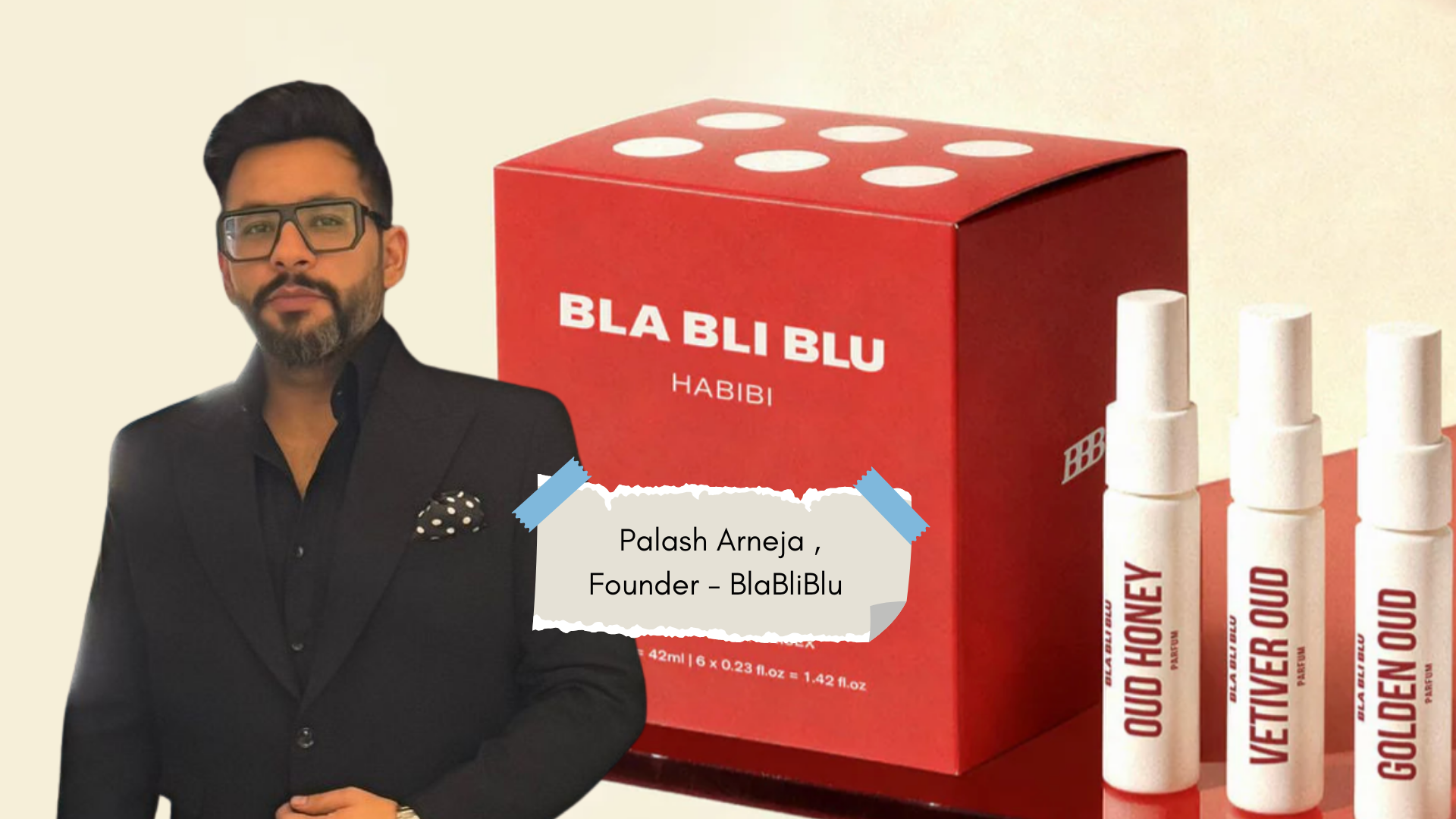

The company Blabliblu reached success through its basic business strategy which operated differently than typical consumer brands that spend heavily to build their brand image. The new fragrance company achieved ₹6 crore in monthly recurring revenue during its first five months of operation while it continues to move toward ₹20 crore in total sales. The company achieved its fast growth by using strategic methods which linked its quick market entry to its controlled business operations.
The story follows Palash Arneja who started his business in the Indian lifestyle market against strong competition while being new to the market with no brand recognition and limited financial resources. He delivered an exact comprehension of which elements stop customers from choosing new brands.

Reframing the Consumer’s Fear
The Indian fragrance market contains two distinct market characteristics. People today show more interest in buying personal care products and lifestyle products but they avoid trying new brands which they do not know. People tend to mistake their cautious spending habits with being budget-conscious. Arneja observed this situation by using his own unique perspective.
His basic understanding revealed that customers will pay without hesitation but they fear selecting the wrong product.
The organization made all its initial choices at Blabliblu based on this fundamental difference. Rather than optimising for conversion at all costs, the brand optimised for comfort. The company provided trial packs which allowed customers to start with a reduced first purchase. Purchases were made redeemable to preserve value. The company Blabliblu established a direct money-back guarantee which customers could use without any conditions or doubts.
The brand moved all purchase risks under its control which created a safer transaction process for customers. The new company established this policy to show its belief in the market potential.
Trust as Infrastructure
Trust is often spoken of as an abstract virtue. At Blabliblu, it was treated as infrastructure.
The company achieved a major increase in trial participation after it eliminated all psychological barriers which customers had previously encountered. The customers who would have waited to buy decided to try out the product. Once they did, the product’s quality ensured repeat behaviour. The company switched its business expansion strategy from depending on current customer sales to implementing recommendation-based methods for expansion.
The sequence allowed Blabliblu to grow its business through affordable sustainable marketing expenses instead of spending too much on marketing. The company achieved its growth through employee learning experiences instead of using performance-based rewards. The company reached its revenue target which typical consumer startups need multiple years to accomplish during the From Idea to ₹20 Crore in Five Months following months.
Marketing Without Distance
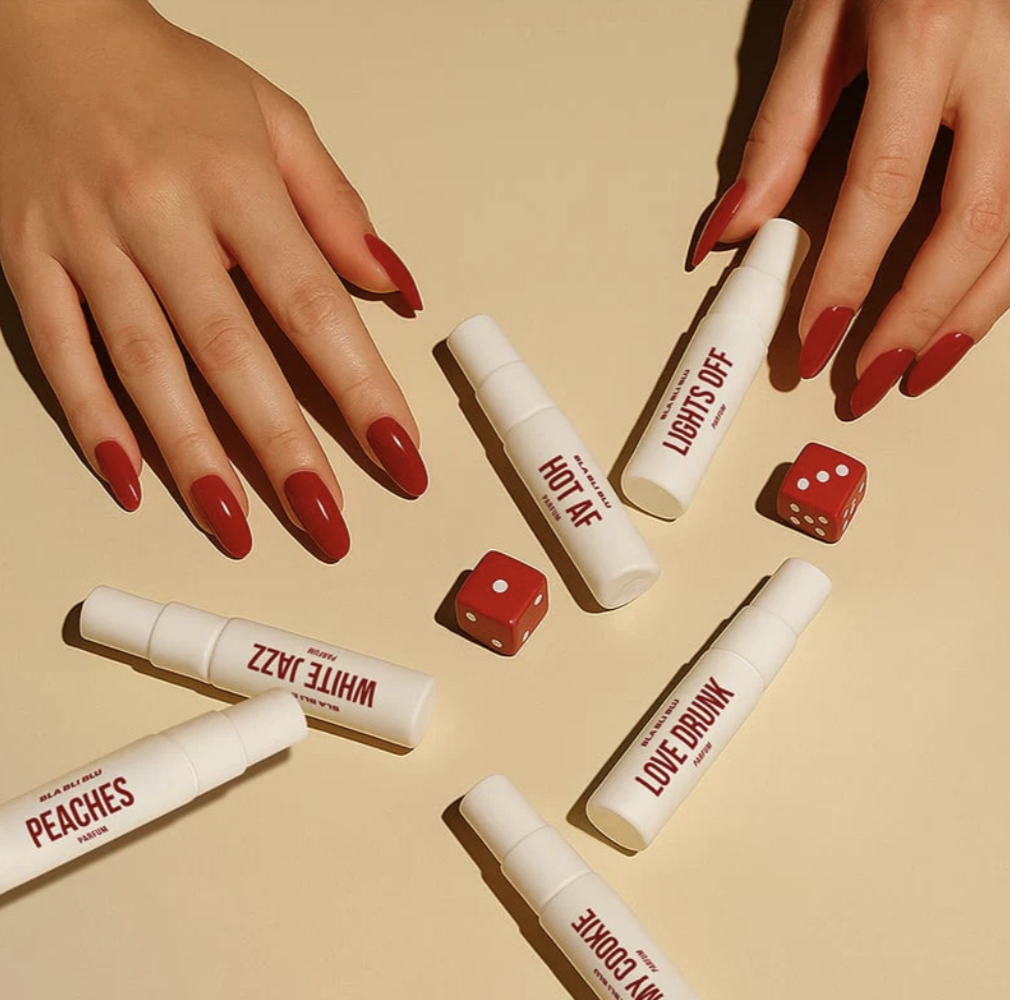
Blabliblu’s communication strategy further reinforced its differentiation. Blabliblu followed a distinct strategy from other companies because they focused on creating high-end perfumes with elaborate marketing strategies.
The company employed founder-led marketing which delivered direct and honest messages through culturally aware communication methods. The campaigns chose to deliver clear messages instead of using showy tactics while they focused on reaching the right audience instead of expanding their audience size. The brand used a modern tone which sounded authentic to the audience. The new method attracted younger consumers because they no longer wanted to see deceptive luxury advertisements and meaningless promotional statements.
Crucially, the marketing never sought to obscure the product behind imagery. The campaign presented a made-up situation which allowed viewers to decide if it was real before they developed their personal belief about it.
Operational Obsession and Founder Involvement
The direction of Blabliblu received its definition from strategy but execution made its credibility possible. Arneja maintained active participation in all customer experience and logistics and brand engagement activities during the first months of the company.
The manager took direct action to solve delivery issues by making physical deliveries which completed all necessary customer deliveries. The implemented actions created permanent changes which extended beyond what could be achieved through physical expansion. The organization showed its dedication through its official declaration of major goals and its creation of a service-based environment which exceeded standard policy development requirements.
The customer base showed both loyalty and they actively supported the company. The first customers who adopted the product returned as regular customers who then spread positive word about the product.
A Broader Signal for Indian Consumer Brands
Blabliblu’s rapid rise arrives at a moment of recalibration in India’s D2C ecosystem. The organization now focuses on sustainability and operational efficiency and authentic product differentiation because it has finished its multiple-year capital-driven growth period.
The company Blabliblu shows how complete dedication to a single goal results in business achievement. The company chose to stay away from creating operations in all available locations. The organization selected one business category which it used to develop its core understanding and operational approach which it executed through continuous delivery.
The lesson shows that business success requires more than guarantees and trial packs because they do not guarantee major success. It is that when a brand aligns product quality, customer respect, and founder accountability, growth follows as a consequence rather than an objective.
A Gen Z–First Brand Identity
Where Blabliblu further distinguished itself was in brand construction.
The fragrance names, communication style, and visual language were deliberately young, bold, and culturally fluent. Instead of borrowing cues from traditional luxury perfumery—often characterised by abstract nomenclature and borrowed European sensibilities—the brand leaned into Gen Z instincts: expressive, irreverent, and self-aware.
Names such as Love Drunk,My Wingman , Lights off , Hot AF and Self Made do more than identify a product. They suggest a mood, a mindset, and an emotion. Each name is intentionally evocative, designed to spark curiosity and create an immediate emotional reference. In a category where naming is frequently ornamental, Blabliblu’s choices feel conversational and contemporary.
This philosophy extended across the brand’s broader communication. The tone was confident yet approachable, playful without being frivolous. Visuals were sharp and unapologetic, while language avoided formality in favour of cultural familiarity. The brand spoke in a voice that felt native to younger consumers rather than translated for them.
Rather than attempting to appeal to a wide demographic, Blabliblu created a clear niche within the Gen Z audience—urban, experimental, and comfortable expressing individuality through scent. By treating fragrance as a form of personal expression rather than a status symbol, the brand built cultural relevance alongside commercial momentum.