

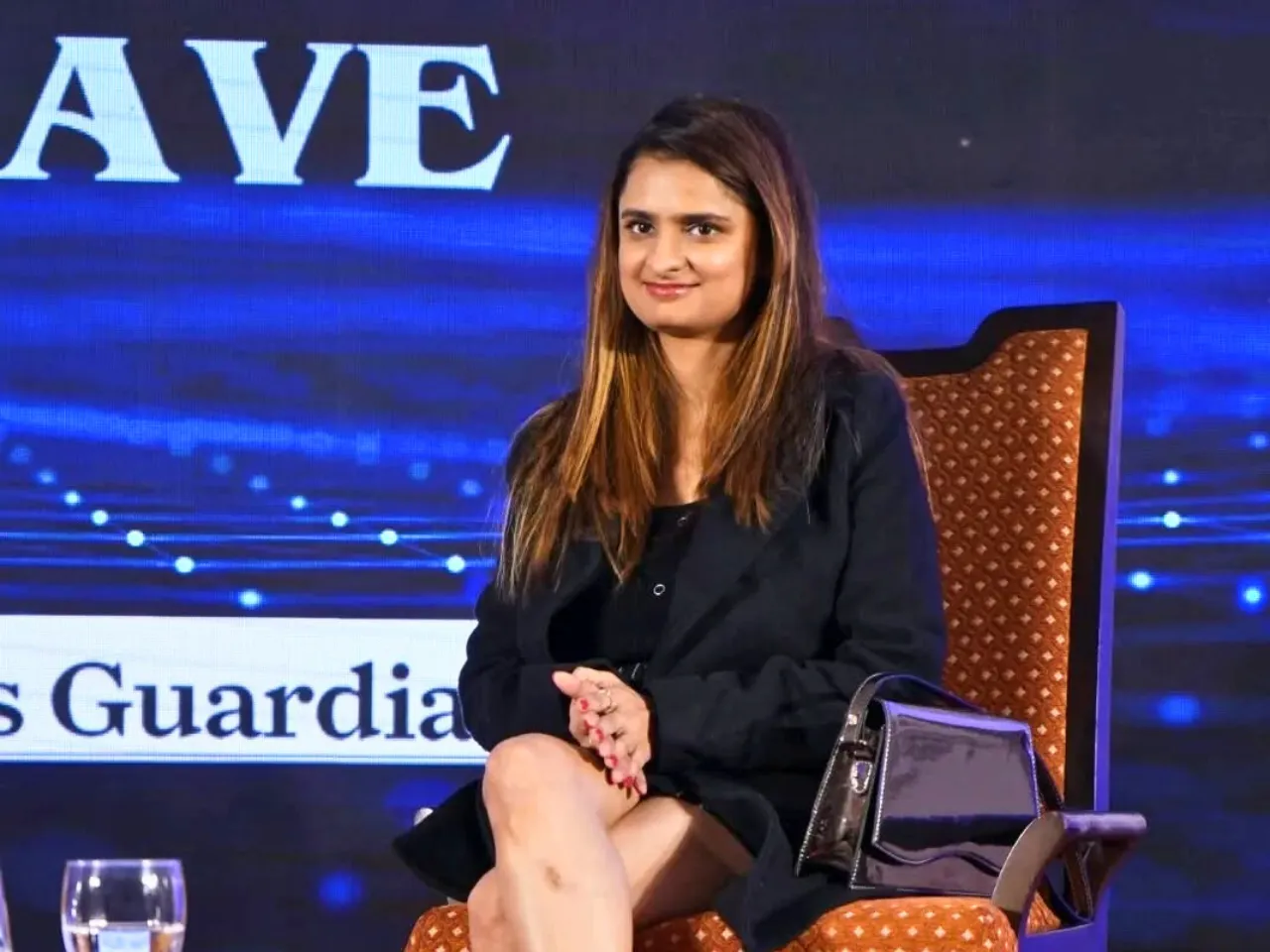
A Dubai-based founder has ignited a heated online discussion about work culture and interview preparedness after sharing her surprising experience with a job candidate. Mahima Jalan, an entrepreneur based in Dubai, questioned whether some Gen Z professionals are taking job interviews seriously enough after a candidate asked her basic questions that many believe should never come up in an interview.
The incident, shared on X, quickly gained traction, with professionals across age groups weighing in on what candidates owe employers and how expectations around work culture may be changing.
What Happened During the Interview
A Question That Caught the Founder Off Guard
According to Mahima Jalan, the interview took an unexpected turn when the candidate asked, “What’s your company called and what do you do?” This question stunned her, especially because the candidate had already received multiple communications before the interview.
The job description, hiring outreach, and email exchanges had clearly mentioned the company’s name and explained its business. For Jalan, the question signaled a complete lack of preparation.
She shared her reaction publicly, writing that she could not believe a candidate would join an interview without knowing even the most basic details about the company.
Why the Founder Found It Unacceptable
Preparation as a Basic Professional Courtesy
Jalan described the moment as an example of poor work etiquette rather than a harmless mistake. In her view, researching a company before an interview is not an advanced skill but a minimum expectation.
She emphasized that interviews are a two-way process. While candidates assess whether a company is right for them, employers also evaluate a candidate’s seriousness, curiosity, and respect for the opportunity.
Failing to do basic homework, she argued, reflects badly on a candidate’s professionalism.
Age Is Not an Excuse, She Says
One of the strongest points Jalan made was that age should not be used as a justification. While the candidate belonged to Gen Z, she made it clear that she was not criticizing an entire generation but calling out behavior that should not be normalized.
In her words, being young or new to the workforce does not excuse a lack of effort, especially when information is easily accessible.
The Internet Reacts: Divided Opinions
Supporters Agree With the Founder
Many professionals online sided with Jalan, saying that knowing a company’s name and what it does is the bare minimum for any interview. Several users shared similar experiences where candidates appeared unprepared or overly casual.
Supporters argued that such behavior shows entitlement and a lack of respect for the interviewer’s time. Some also noted that competition for jobs is intense, and candidates who fail to prepare are simply hurting their own chances.
Others Defend the Candidate
However, not everyone agreed. Some users pointed out that interviews can be nerve-wracking, especially for younger candidates. A few suggested that the question might have been poorly worded or misunderstood.
Others argued that modern work culture is shifting and that candidates today expect more open, conversational interviews rather than formal interrogations. According to this group, the moment should have been used as a teaching opportunity instead of a public critique.
A Bigger Conversation About Gen Z and Work Culture
Changing Attitudes Toward Jobs
This incident has reopened a broader debate about Gen Z’s relationship with work. Many employers believe younger professionals value flexibility, purpose, and work-life balance more than previous generations.
While these priorities are not inherently negative, critics argue that they sometimes come at the cost of traditional professional discipline, such as punctuality, preparation, and formal communication.
Employers vs Employees: A Culture Clash
What one generation sees as basic etiquette, another may see as outdated expectations. Founders and managers who built careers in more rigid environments often struggle to adapt to changing norms.
At the same time, younger professionals often feel that employers expect too much while offering too little in return. This tension continues to shape modern hiring conversations.
Why Interview Preparation Still Matters
First Impressions Are Hard to Fix
Career experts consistently stress that interviews are about more than technical skills. They are also about attitude, curiosity, and respect.
Knowing a company’s name, mission, and industry shows genuine interest. It signals that a candidate values the opportunity and is serious about the role.
A single careless question can overshadow an otherwise strong profile.
Preparation Reflects Work Ethic
Interview preparation often reflects how someone will approach their job. Employers see it as an indicator of reliability and initiative.
Even in casual or startup environments, preparation remains a non-negotiable expectation for most hiring managers.
Lessons for Job Seekers
Do the Basics Right
This story serves as a reminder that simple steps can make or break an interview. Reading the job description, checking the company website, and understanding its core business should be standard practice.
These actions require minimal time but leave a strong impression.
Ask Better Questions
Asking questions is encouraged in interviews, but they should show insight rather than confusion. Candidates can ask about company goals, team culture, or growth opportunities instead of information that is publicly available.
Thoughtful questions demonstrate engagement and curiosity.
Lessons for Employers Too
Setting Clear Expectations
Employers can also learn from this incident. Clear communication about expectations and interview structure can help avoid misunderstandings.
Some candidates, especially early in their careers, may not fully understand what is expected of them unless it is explicitly stated.
Balancing Feedback With Empathy
Publicly calling out interview experiences can spark discussion, but it can also discourage young professionals. Constructive feedback, when given privately, may help candidates improve without damaging confidence.
Final Thoughts
Mahima Jalan’s post struck a nerve because it touches on a real and growing tension in today’s workplace. While technology and work culture are evolving, certain fundamentals remain unchanged.
Preparation, curiosity, and respect still matter, regardless of age or generation. At the same time, employers and candidates alike must learn to bridge the gap between traditional expectations and modern realities.
The debate sparked by one simple interview question shows that the conversation around work culture is far from over.