

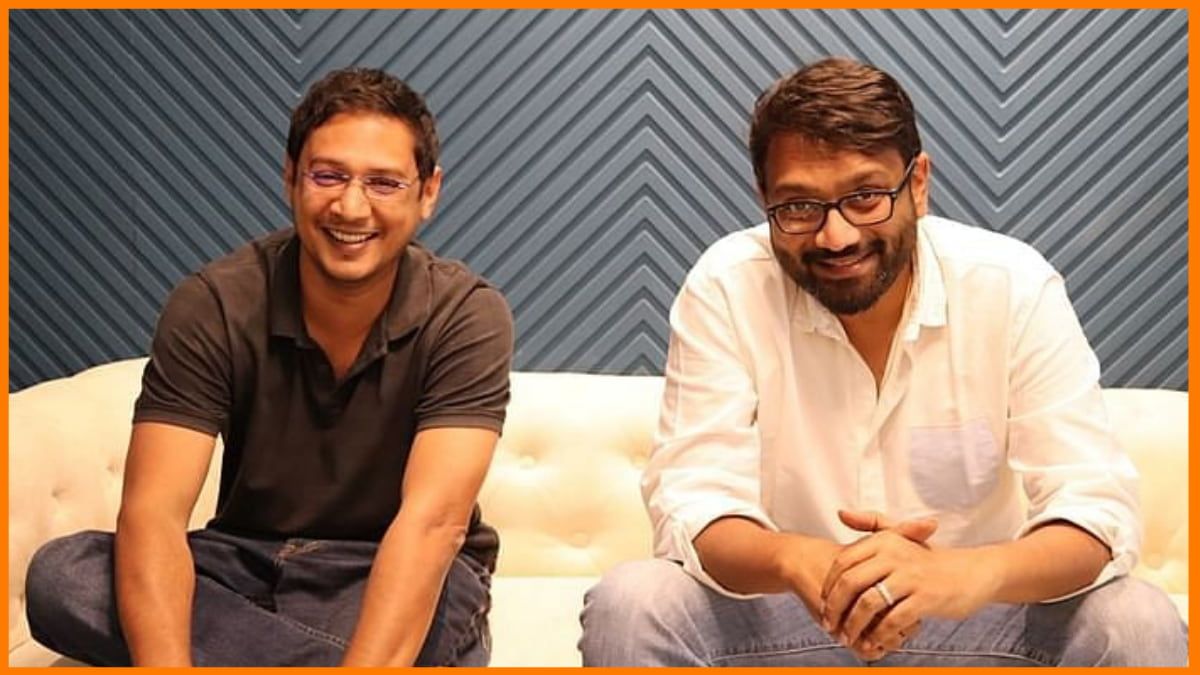

Move over Instagram, Snapchat, and BeReal—there’s a new contender in town, and it’s coming straight out of India. Mayank Bidawatka, the co-founder of now-defunct Koo, has quietly launched the beta version of PicSee, an artificial intelligence-powered photo sharing app that could completely change the way you exchange photos with friends.
Yes, you heard that right. The man behind Koo, India’s ambitious answer to Twitter, is back with a bang. And this time, he’s gunning for one of the biggest markets in the world: photo sharing.
PicSee’s Game-Changing Features
PicSee isn’t just another “upload and scroll” app. It’s built on a mix of AI magic and ironclad privacy that promises to solve one of the most annoying problems we all face: getting photos of ourselves from friends.
Here’s what makes it stand out:
- Face Recognition + AI Matching – The app automatically detects you in photos and connects you with friends who have those shots.
- Give-to-Get Sharing – You only receive pictures if you share yours too. No more chasing friends after weddings, parties, or trips.
- Privacy Obsessed – Device-only storage, end-to-end encryption, screenshot blocking, and a 24-hour review window give you total control.
- Recall Option – Sent something by mistake? You can pull it back instantly.
Bidawatka calls PicSee “the smarter, safer way to share photos,” and early adopters seem to agree.
A Bold Bet After Koo’s Collapse
Koo’s story is no secret—it launched as a Twitter alternative, gained traction, but collapsed in 2024 after funding dried up and acquisition talks failed. Many thought its founders would take a back seat.
Instead, Bidawatka wasted no time. He launched Billion Hearts Software Technologies in September 2024, raised $250,000 in pre-seed funding from big-name founders (redBus, Ola, Myntra, InMobi), and just two months later, closed a $4 million seed round led by Blume Ventures with General Catalyst and Athera Venture Partners.
The mission? To build global-first products. PicSee is the first—and it might just prove Koo was only the beginning.
Why PicSee Could Explode
The photo-sharing space is crowded, no doubt. But PicSee is betting on three things:
- AI as a Superpower – No more manually sending pics. AI handles it.
- Privacy as a Standard – Unlike Instagram, PicSee doesn’t keep your photos on servers.
- Reciprocity as a Rule – You can’t just hoard; you’ve got to share.
It’s a bold play, but if it works, PicSee could become the go-to app for private, trusted photo sharing—something Instagram and Snapchat never really solved.
What’s Next?
Currently in beta on Android and iOS, PicSee hasn’t officially launched yet. But the company has already teased upcoming features:
- AI editing tools for photos and videos.
- Smart storage optimization to save space.
- Private social sharing for small, close-knit circles.
If all goes according to plan, PicSee could leap from being “just another app” to a global sensation, especially among younger users tired of algorithm-driven feeds.
The Bigger Picture
PicSee also signals a bigger shift: Indian startups going global-first. This year alone, stealth-mode companies like Peeko ($3.2M), Kluisz.ai ($9.6M), and All Home (seed round) have raised millions before even launching. Investors aren’t just backing ideas—they’re backing Indian founders to compete with Silicon Valley head-on.
And with PicSee, Bidawatka is setting the tone: failure isn’t the end—it’s fuel for the next big thing.
Final Word
Could PicSee be the “Instagram killer” everyone has been waiting for? Too early to tell. But one thing’s certain—if you’re tired of begging your friends for photos, this app might just change your life.
PicSee isn’t just a comeback story. It’s a reminder that in India’s startup ecosystem, second acts can be bigger, bolder, and global.