

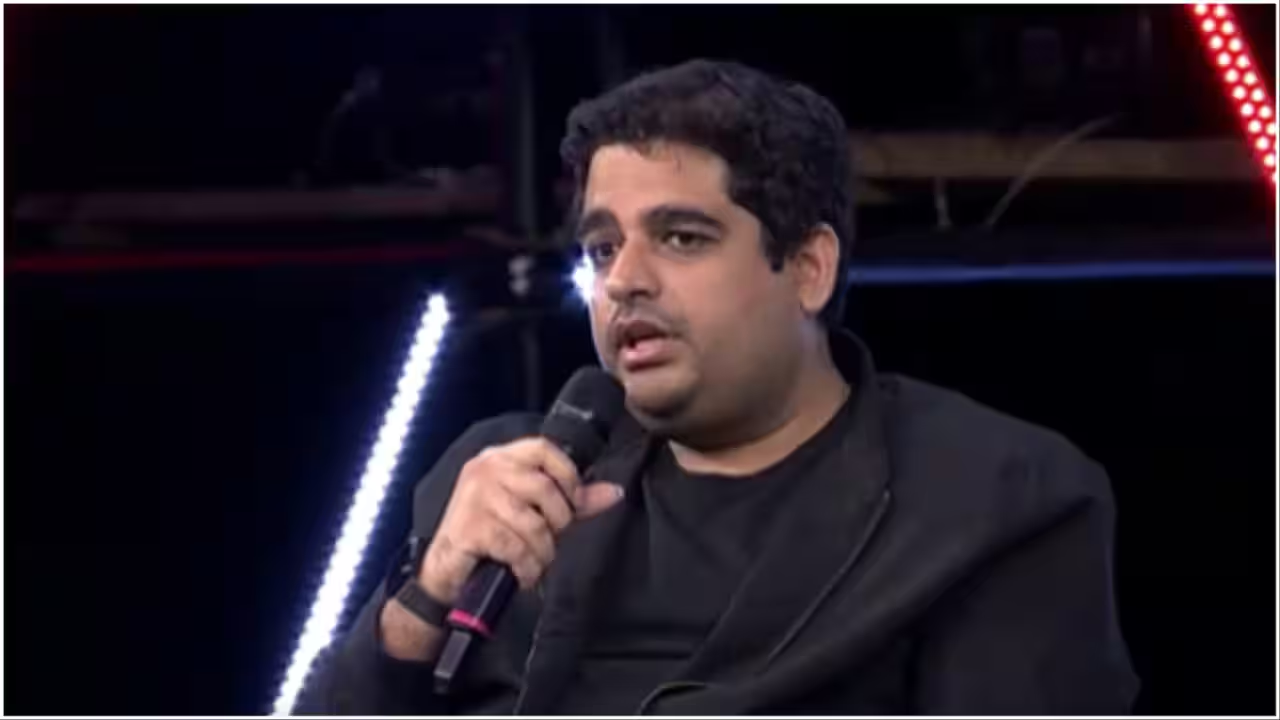

In a development that has raised eyebrows in the electric mobility and startup ecosystem, MyPickup, a subscription-based electric mobility platform backed by Inflection Point Ventures (IPV), has announced its closure after three years of operations. Despite its innovative model aimed at providing reliable and predictable transportation for daily commuters, the company cited challenges in achieving product-market fit (PMF) and a lack of patient capital as the primary reasons for shutting down.
Founded in February 2023 by Abhijeet Jagtap, MyPickup aimed to address the issues commonly faced by urban commuters — fluctuating fares, ride cancellations, and unreliable services. The startup offered a subscription-based service for electric auto-rickshaws, allowing users to book rides on weekly or monthly plans without worrying about surge pricing or cancellations. The service promised cost predictability and convenience, particularly for people who depend on transportation daily.
A Bold Idea With Big Ambitions
MyPickup’s subscription model was designed to bring structure to an otherwise unpredictable commuting experience. By eliminating surge pricing and cancellations, it hoped to create a dependable transport option, especially for office-goers, students, and lower-income commuters who rely on affordable, daily mobility solutions.
The company positioned itself as an eco-friendly, tech-driven alternative to conventional ride-hailing platforms. Electric auto-rickshaws not only promised lower operational costs but also aligned with the growing demand for clean and sustainable transport solutions in cities struggling with congestion and pollution.
The idea was ambitious, timely, and rooted in solving real-world challenges.
Why Did MyPickup Fail?
Despite its potential, MyPickup faced significant challenges that eventually led to its shutdown. According to Jagtap, the company struggled to achieve product-market fit. While the service saw demand during peak commute hours, ridership dropped sharply during off-peak times. This made it difficult to scale operations and maintain fleet utilization.
The startup reportedly underwent four major pivots in a bid to refine its subscription plans, pricing models, and operational logistics. However, these changes failed to deliver the envisioned customer experience or unlock a scalable revenue model. Even with a retention rate of 80%, the startup couldn’t expand its customer base enough to become sustainable.
As of May 2025, MyPickup was operating only 19 vehicles, completing around 4,000 rides per month, and serving fewer than 100 active subscribers. These figures, while respectable for a niche operation, were insufficient to convince institutional investors to fund further expansion.
Funding Gaps Widened the Crisis
MyPickup’s funding situation further compounded its struggles. In July 2024, the company raised $179,000 in seed funding from IPV. The capital injection allowed it to sustain operations for a year while experimenting with different approaches.
However, electric mobility is a capital-intensive sector, requiring sustained investment over long periods before achieving profitability. With its small fleet and inconsistent demand patterns, MyPickup’s business case failed to attract larger, long-term investors. Without the necessary “patient capital” — funding that supports startups during slow but strategic growth phases — the company could not weather the challenges.
The inability to raise follow-on funding sealed its fate.
Was the Model Ahead of Its Time?
Some experts believe that MyPickup’s subscription-based approach to urban mobility was not flawed — it was simply launched at a time when infrastructure support, customer behavior, and investor confidence in electric mobility were still developing.
Subscription models require consistency in usage patterns and long-term customer commitment, both of which take time to build in an evolving market. Moreover, challenges such as charging infrastructure gaps, fleet maintenance costs, and regulatory hurdles further complicated the operating environment.
Still, MyPickup’s attempt highlights an important trend: urban commuters are increasingly looking for predictable, affordable alternatives to ride-hailing apps and conventional public transport. As governments and private players invest more in EV infrastructure, future mobility startups may be able to successfully implement models similar to MyPickup’s.
Lessons for Founders and Investors
MyPickup’s story provides key insights into startup building, especially in high-investment sectors like electric mobility:
- Retention Alone Isn’t Enough: A high customer retention rate is impressive, but startups also need a robust acquisition strategy and scalable operations to reach profitability.
- Product-Market Fit Requires Iteration: Even well-designed solutions may take years of testing and refinement before finding the right audience and use case.
- Capital Intensity Needs Patient Investors: Electric mobility, infrastructure-heavy services, and subscription models require long-term investments before delivering returns.
- Timing Is Critical: Even the best ideas may falter if the ecosystem — including technology adoption, regulatory support, and customer behavior — isn’t aligned.
What’s Next for the Team?
Though MyPickup has closed its doors, its experience navigating electric mobility challenges, subscription pricing strategies, and customer engagement will likely inform future ventures. Founder Abhijeet Jagtap and his team are expected to leverage these learnings in upcoming projects, possibly within other segments of mobility, logistics, or sustainable transport.
Final Thoughts
The closure of MyPickup is a reminder that innovation alone cannot guarantee success. Sustainable growth requires a delicate balance of customer understanding, operational efficiency, and deep financial backing.
At the same time, the startup’s vision and commitment to solving urban mobility challenges reflect the entrepreneurial spirit that continues to fuel India’s fast-growing startup ecosystem.
Though its journey ends here, the lessons from MyPickup’s rise and fall will guide the next generation of mobility startups — and perhaps inspire more robust, patient-backed innovations in the years to come.