
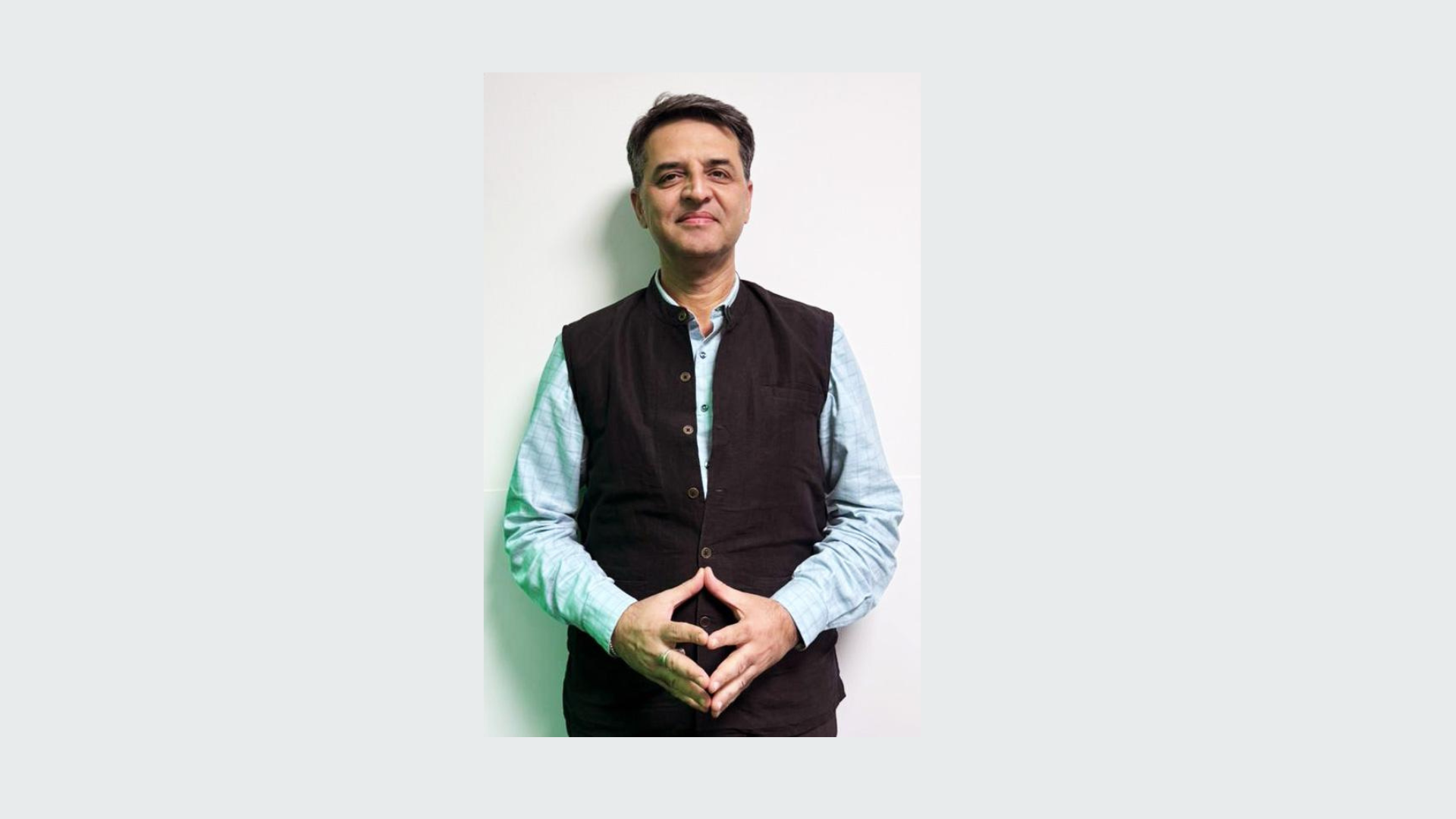

By Sundeep Talwar, CEO & Philanthropic Advisor, IGF-India
If you’re starting in 2026, you’re walking into a paradox: more money, more noise, and more pressure to “scale.” The sector will keep growing, which is a gift—and a test. The bigger the capital, the sharper the questions: Who benefits? What changes last? Can we prove it?
Communities don’t experience “scale.” They experience a doctor who shows up in their doorsteps, a medicine that arrives on time, a counsellor who listens without judgment, a mobilizer who gives a fair shot to ensure awareness and responsiveness.
I learned this moving from corporate discipline to the messy truth of the field: dignity matters as much as delivery. Here’s what I would do if I were beginning again—especially if I wanted a career that is ethical, human, and sustainable.
1) Choose a problem you can look at every day
Pick an issue that will still matter when the applause is gone. For us, healthcare access isn’t a slogan—it’s the daily reality of families who lose wages just to reach a clinic/hospital or struggle for financial aid to get their family member struggling with cancer or critical illness . That’s why we take healthcare closer to communities through mobile and technology-enabled models that combine consultations, basic diagnostics, counselling, financial-aid/sponsorship and referral support.
2) Build trust like you build products: design for the last mile
In CSR, the “last mile” is the only mile. Don’t start with a brochure; start with a route plan, a referral pathway, and follow-up. Trust breaks when services come once and disappear. Consistency is compassion.
3) Make transparency a habit, not a headline
Your credibility is a ledger of small proofs: clean documentation, clear beneficiary selection, ethical procurement, and simple reporting that anyone can audit. Treat transparency like a daily practice, not a year-end campaign.
4) Don’t confuse speed with seriousness
There will be pressure to “launch fast.” Resist it. Sit with frontline workers, community and local systems. The field will teach you what PowerPoint or Excel Sheet can’t—what families fear, why they hesitate, how stigma works, and which shortcuts create harm.
5) Measure what people feel, not just what dashboards show
Yes, count screenings, referrals, placements, and follow-ups. But also track dignity: did a woman feel safe coming to a camp? Did a caregiver feel respected? Did we value the time of the beneficiary? Did a young person feel seen in training/up-skilling? The real output is confidence; the real outcome is capability.
6) Put ethics above branding—especially when it’s inconvenient
Never use beneficiaries as props. Never make consent casual. Never treat health data lightly. If you “win” attention by bending ethics, you lose trust—quietly, and then suddenly. And trust is the only currency that compounds in this sector.
7) Choose partnerships that improve the work, not the optics
Good partners ask hard questions and stay for the long haul. The best corporate partners don’t just fund—they review, improve, and respect field realities. That’s how you build systems, not events.
8) Keep one story close to your heart
Numbers keep you accountable; stories keep you human. I remember meeting a mobility-challenged man who told me wishing Diwali greetings, that he bought his wife a ‘new saree’ of 1200Rs for the first time in nine years of marriage from his earnings —because a mobility device helped him earn again. That’s the real goal: dignity and freedom.
Finally, don’t lose your soul to burnout. Protect your integrity, your family, your health, and your ability to stay compassionate. Cynicism is contagious in this sector—but so is hope, if you practise it.
If you want a trustworthy CSR career in 2026, here’s the test: when nobody is watching, would you still continue to work with same passion, commitment and rigor? Build your answer into your habits—how you listen, report, treat people, and respond when something goes wrong. Impact isn’t what you announce. It’s what communities are willing to believe—again and again.