

India’s health-tech poster child PharmEasy is once again leaning on its diagnostics arm Thyrocare to stay afloat. Its parent company, API Holdings, has raised ₹1,700 crore ($193 million) through non-convertible debentures (NCDs)—a fresh debt round that underscores just how deep the company’s financial struggles run.
Why More Debt Now?
PharmEasy isn’t raising new money to grow—it’s raising money to repay old loans.
The company had earlier issued NCDs worth ₹1,820 crore, of which over ₹1,545 crore remained unpaid. The new issue will help refinance part of its earlier debt and clear obligations tied to its massive borrowing spree that began with the ₹4,546 crore acquisition of Thyrocare in 2021.
The Investors Who Stepped In
Despite its shaky finances, PharmEasy found willing backers for its debt round:
- 360 One led with ₹1,231 crore
- Micro Labs pitched in ₹210 crore
- MVS Ventures, Bennett Coleman, and Alkram Ventures also participated
- Eight more entities, including Kyrush Investments and Medley Pharmaceuticals, rounded off the list
In total, 1,700 debentures were issued at ₹10 lakh each, signaling strong institutional faith—even if the capital is high-cost.
A Habit of Borrowing
This isn’t PharmEasy’s first tryst with expensive debt.
- 2021: Borrowed ₹2,200 crore from Kotak Mahindra Bank for Thyrocare
- 2022: Replaced that with a ₹2,700 crore Goldman Sachs loan
- 2025: Now raising ₹1,700 crore more to cover outstanding obligations
The cycle is clear: borrow to repay, then borrow again. Critics say this signals a debt trap, while optimists argue it’s a bridge to stability.
Leadership Turbulence
The company’s financial challenges come amid a leadership shuffle:
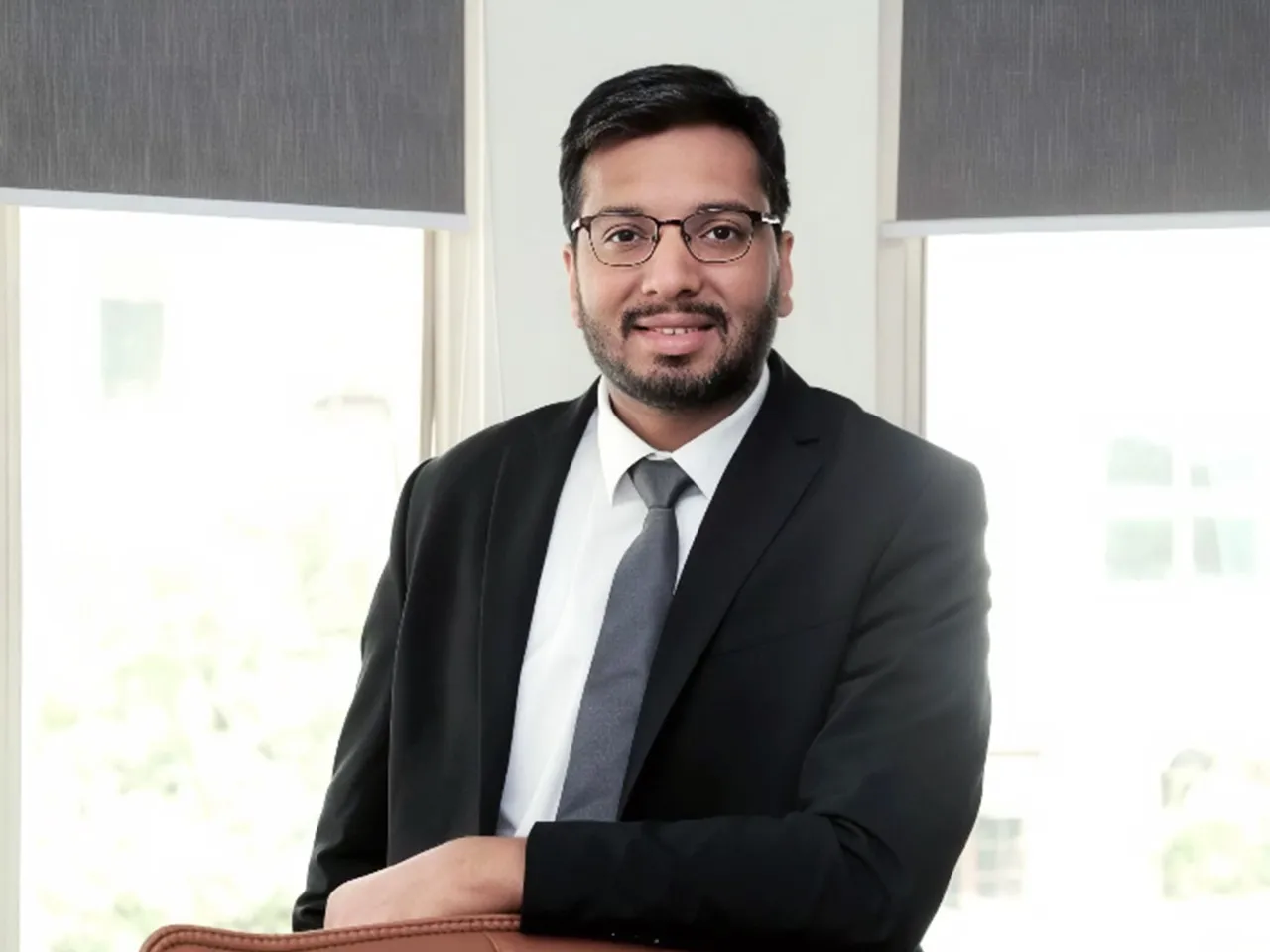
- Siddharth Shah, co-founder and longtime CEO, stepped down in August 2025
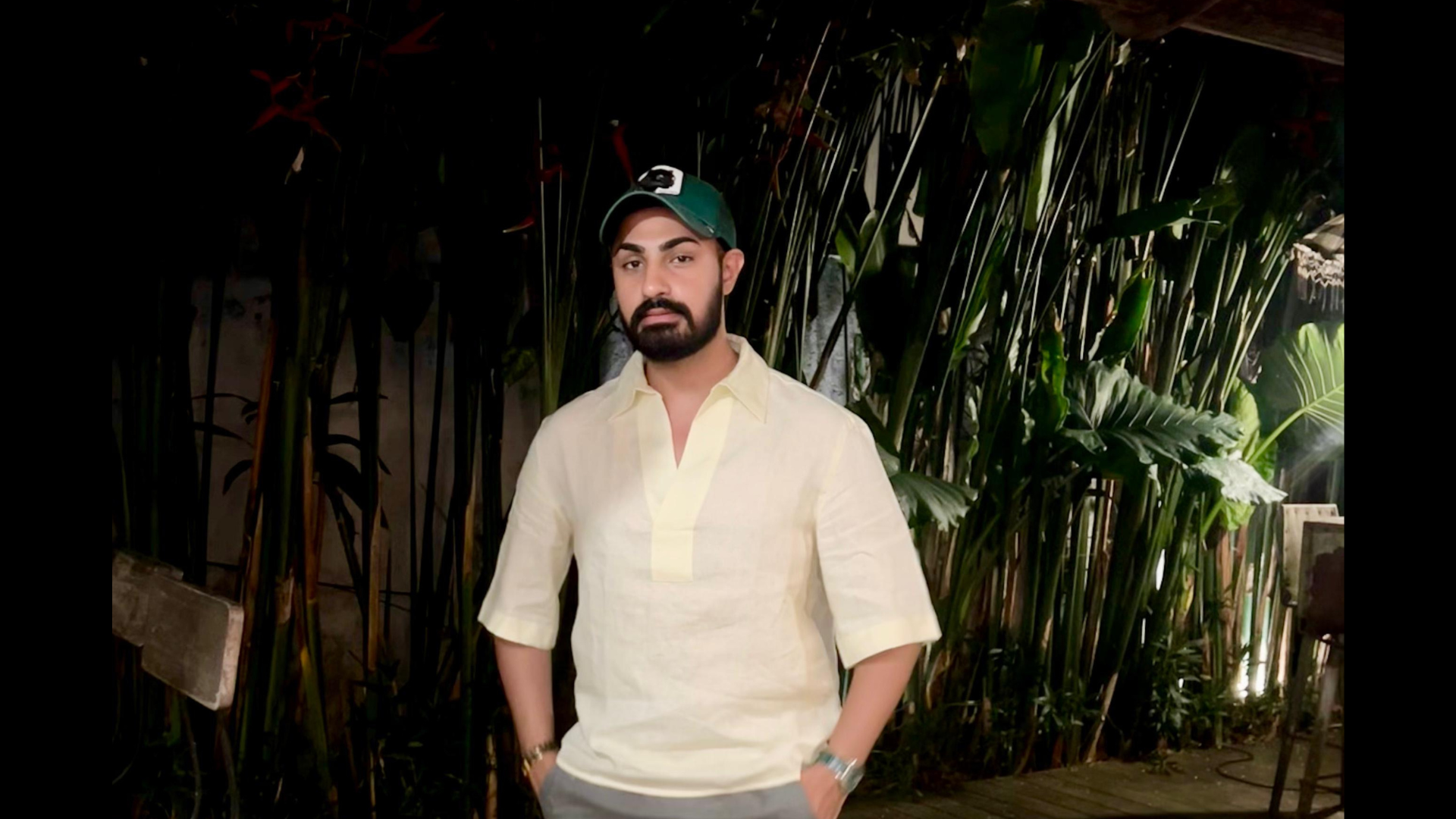
- Rahul Guha, CEO of Thyrocare, has taken over PharmEasy’s top role
- Other co-founders—Dharmil Sheth, Dhaval Shah, and Hardik Dedhia—have exited operational roles entirely, choosing to launch a new venture in design and architecture
That leaves PharmEasy largely in the hands of institutional investors like Prosus, TPG, Temasek, and Ranjan Pai’s family office.
Thyrocare: The Collateral That Keeps Giving
For lenders, Thyrocare remains the safest bet. Its diagnostics business generates reliable revenue, making it an ideal security for loans.
This time, PharmEasy’s group entity Docon Technologies will pledge up to 61% of Thyrocare’s shares for the fresh NCD issue. The move raises a critical question: if things go further south, could PharmEasy lose control of the very asset that was supposed to secure its future?
The Bigger Picture
The latest debt raise isn’t just about paying dues. It’s about buying time.
PharmEasy is still fighting:
- It remains one of India’s largest online pharmacies
- Thyrocare continues to be a trusted brand in diagnostics
- The company has strong institutional backers
But profitability remains elusive, and debt obligations keep piling up. Unless the company finds a way to cut losses and build sustainable growth, it risks being remembered as another unicorn that flew too close to the sun.
Bottom Line
PharmEasy’s latest ₹1,700 crore debt raise is a bold but risky move. By pledging Thyrocare yet again, the company has shown just how dependent it is on its star subsidiary to stay in the game.
Investors are still betting on a turnaround. But the real test lies ahead: can PharmEasy break free from its debt cycle and prove it’s more than just a unicorn running on borrowed time?