

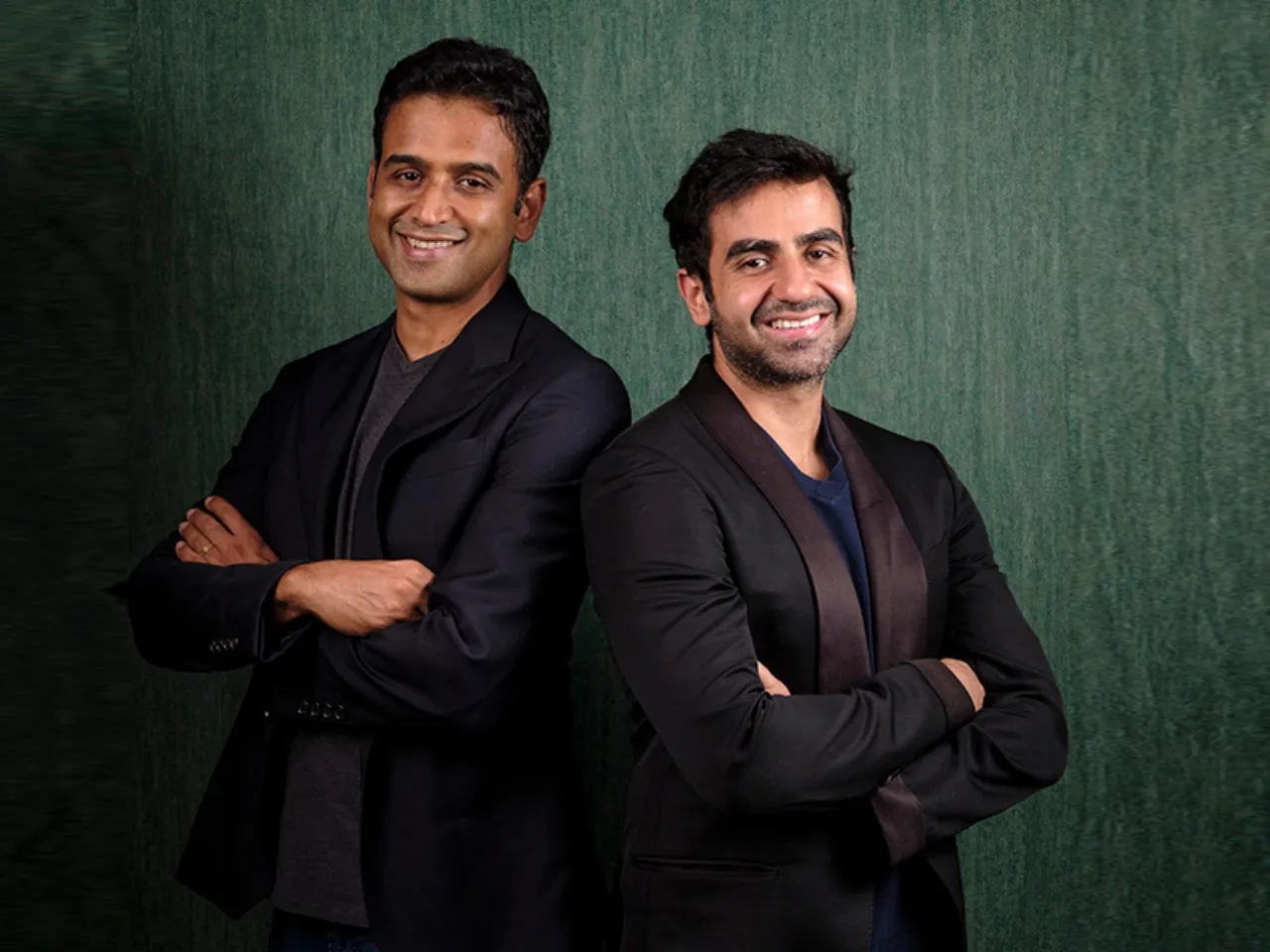

India’s Fintech Shake-Up: Kamath Brothers Go Big on InCred Holdings
In a move that has sent ripples across India’s financial landscape, Nithin and Nikhil Kamath — the visionary co-founders of Zerodha — have made a massive ₹250 crore investment in InCred Holdings. This isn’t just a random bet. It’s a calculated play ahead of InCred’s much-anticipated IPO, which could raise between ₹4,000 and ₹5,000 crore, potentially valuing the company at up to $2.5 billion.
Why are India’s most successful retail investing entrepreneurs jumping into the lending space? What does this say about the future of digital credit in the country? More importantly, what should savvy investors, consumers, and founders take away from this strategic partnership?
Let’s break down what this investment means, what InCred does differently, and why this might be the fintech story of the year.
The Investment: ₹250 Crore in the Future of Lending
The Kamath brothers aren’t known for casual investments. Zerodha itself was built on a vision of disrupting the outdated brokerage space, and now they’re applying the same principles of technology, transparency, and scale to the lending sector.
Their ₹250 crore investment is a minority stake in InCred Holdings, the parent company of InCred Financial Services Ltd. It comes at a critical time, as InCred prepares for a major IPO. Industry analysts are calling this a strong pre-IPO endorsement from two of India’s most trusted tech entrepreneurs.
The implication is clear: the Kamath brothers believe InCred is not just another NBFC—it’s a future unicorn leading India’s digital lending evolution.
Why InCred? A Look Inside the Fintech Challenger
Founded in 2016 by former Deutsche Bank executive Bhupinder Singh, InCred is no rookie in the finance space. The company has built a strong reputation for using proprietary risk analytics, AI-driven credit models, and end-to-end digital platforms to simplify the borrowing experience for consumers, small businesses, and students.
Its key differentiators include:
- Focus on underserved but creditworthy segments
- Technology-first approach across underwriting, onboarding, and servicing
- Diversified lending portfolio including consumer, SME, and education loans
- Emphasis on responsible lending with data science at its core
InCred’s data-backed lending model is built for scale. The company has steadily grown its market share without compromising on credit quality—something the Kamaths clearly value.
The IPO That Everyone’s Watching
InCred’s IPO could be one of the largest tech-enabled financial listings of the year. With a target to raise ₹4,000–5,000 crore, the company is expected to command a valuation between $1.8 billion and $2.5 billion.
This public debut is not just a capital-raising exercise. It’s an opportunity for InCred to cement its position as a trusted, scalable, and tech-driven alternative to traditional banks and legacy NBFCs.
The Kamath brothers entering the picture right before this IPO signals to retail and institutional investors alike that this is a company worth watching closely.
Kamath Brothers: Why Their Bet Matters
This is more than just a financial investment. It’s a strategic alignment of two leading fintech philosophies.
In a statement, Nikhil Kamath said:
“India’s credit ecosystem is changing fast—more formal, more digital, and more accessible. InCred Group seems to get that. They’ve built a strong team, a technology-first approach, and a clear view of where the market is headed.”
That line captures the broader narrative. The Indian lending market, long fragmented and dominated by legacy institutions, is finally transforming. And players like InCred are pushing that change forward—making access to credit easier, smarter, and more transparent.
The Kamaths have seen firsthand how digitisation can unlock massive scale (as with Zerodha), and they clearly believe the same formula can be applied to credit.
The Big Picture: Fintech 2.0 in India
India’s fintech industry has evolved dramatically in the last five years. First came payments, then broking. Now, lending is undergoing a massive shift.
What InCred is doing isn’t just digital loans—it’s building a holistic, tech-enabled credit infrastructure designed for the next 100 million borrowers. As the country’s economy formalises and digital adoption deepens, players who can underwrite responsibly, scale quickly, and offer seamless user experiences will dominate.
The Kamaths’ investment represents a bet on this trend.
Key Takeaways for Investors and Consumers
This investment marks a broader shift in how credit will be accessed and distributed in the coming decade. Here’s why it matters:
1. Tech-Driven Lending Is Here to Stay
The days of paper-heavy, relationship-based lending are over. Platforms like InCred are proving that AI, data science, and digital-first design can make borrowing faster, safer, and more inclusive.
2. Zerodha’s Influence May Accelerate InCred’s Growth
With the Kamaths involved, we could soon see powerful integrations between investing and lending products—something that could revolutionise how Indians manage wealth and credit.
3. Pre-IPO Signals Are Strong
When successful entrepreneurs back a company ahead of a major IPO, it builds credibility. The Kamath brothers aren’t just betting money—they’re lending their brand, trust, and influence.
4. The Future of Finance Will Be Modular
From trading to credit to insurance, consumers will demand more personalised, flexible, and tech-driven solutions. InCred’s approach puts it at the heart of this change.
What’s Next for InCred?
- IPO expected within the next few quarters
- Aggressive customer acquisition across consumer, SME, and education segments
- Deeper tech integrations and analytics-driven underwriting
- Potential partnerships and API-based product rollouts
- Expansion beyond lending into full-stack financial services
Final Word: A Game-Changing Bet on the Future of Indian Credit
Zerodha’s Kamath brothers have built their legacy by staying ahead of the curve. Their ₹250 crore bet on InCred isn’t just another headline—it’s a glimpse into what India’s financial future looks like. As lending becomes smarter, faster, and more inclusive, companies like InCred—and the investors backing them—will define the next era of fintech growth.
If you’re an investor, entrepreneur, or even just a digitally curious consumer, now is the time to pay attention. The future of money is no longer just about where you invest it—but also how you borrow it, and who you borrow it from.