

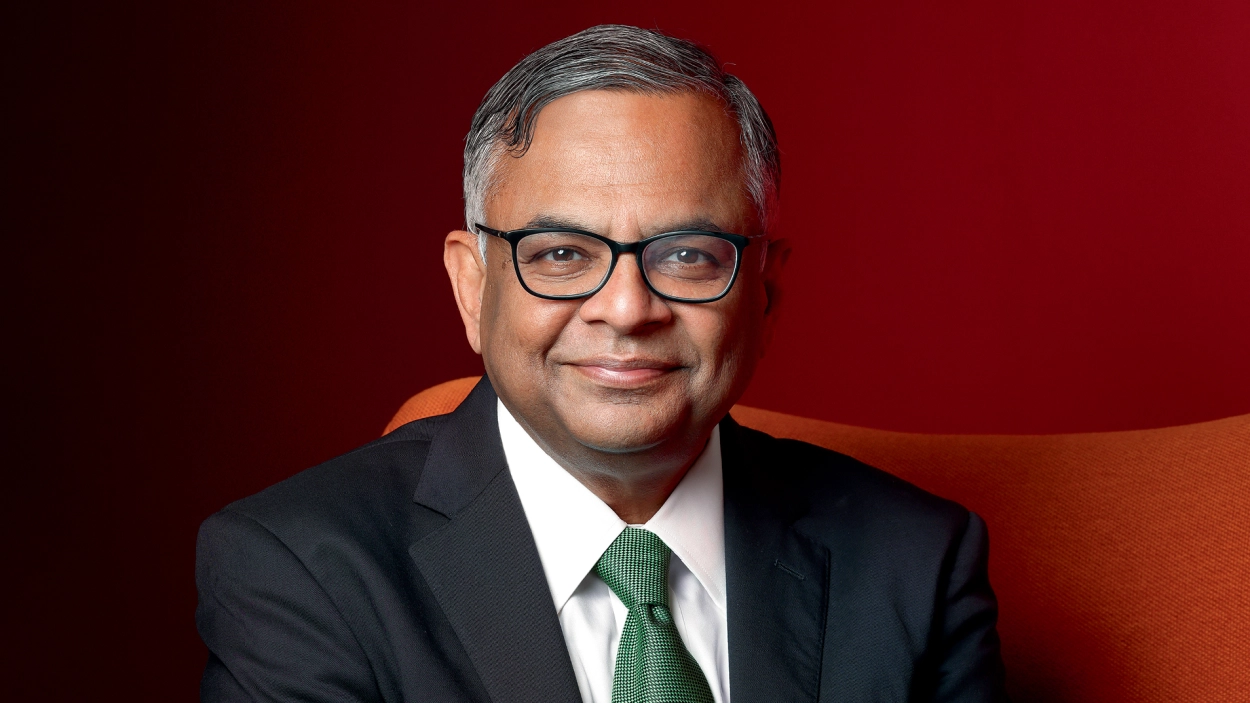

The Visionary Leader Shaping the Future of India’s Iconic Conglomerate
Introduction
In the dynamic world of business, visionary leaders play a pivotal role in steering companies towards success and growth. Natarajan Chandrasekaran, commonly known as N. Chandrasekaran, is one such exemplary leader who has left an indelible mark on the corporate landscape. As the Chairman of Tata Sons, the holding company of the Tata Group, Chandrasekaran has been instrumental in driving innovation, fostering sustainable practices, and navigating the conglomerate through a rapidly evolving global business environment.
Early Life and Career
N. Chandrasekaran was born on June 2, 1963, in Mohanur, Tamil Nadu, India. His journey to the top echelons of the corporate world began when he joined Tata Consultancy Services (TCS) in 1987 as a software engineer. Over the years, his dedication, strategic acumen, and leadership skills propelled him through the ranks, and he eventually became the CEO and Managing Director of TCS in 2009.
Transformation at TCS
Chandrasekaran’s tenure at TCS was marked by transformative initiatives that positioned the company as a global leader in information technology services. Under his leadership, TCS embraced digital technologies, expanded its global footprint, and achieved remarkable financial success. His ability to foresee industry trends and adapt to technological advancements became a hallmark of his leadership style.
Elevating the Tata Group
In 2017, N. Chandrasekaran assumed the role of Chairman of Tata Sons, the holding company of the Tata Group. His appointment came at a crucial juncture for the conglomerate, facing challenges and opportunities in various sectors, including steel, automobiles, information technology, and hospitality.
Chandrasekaran’s strategic vision and focus on operational efficiency have played a key role in rejuvenating the Tata Group. He has steered the conglomerate through significant milestones, including the acquisition of Bhushan Steel, the launch of Tata Altroz in the automotive sector, and the strengthening of Tata Consultancy Services’ position in the global IT market.
Emphasis on Sustainability
One of Chandrasekaran’s notable contributions to the Tata Group has been his emphasis on sustainability. Recognizing the importance of responsible business practices, he has led the conglomerate to prioritize environmental and social initiatives. The Tata Group’s commitment to renewable energy, waste reduction, and community development reflects Chandrasekaran’s dedication to creating a positive impact beyond financial success.
Navigating Challenges
As a leader, N. Chandrasekaran has faced numerous challenges, including the global economic downturn, industry disruptions, and the ongoing impact of the COVID-19 pandemic. However, his resilience and strategic decision-making have enabled the Tata Group to weather these storms and emerge stronger.
N. Chandrasekaran’s journey from a software engineer at TCS to the Chairman of Tata Sons is a testament to his leadership prowess and ability to drive organizational success. Under his guidance, the Tata Group continues to evolve, embracing innovation, sustainability, and a commitment to social responsibility. As a visionary leader, Chandrasekaran’s legacy is not just about corporate achievements but also about shaping the future of one of India’s most iconic conglomerates.