

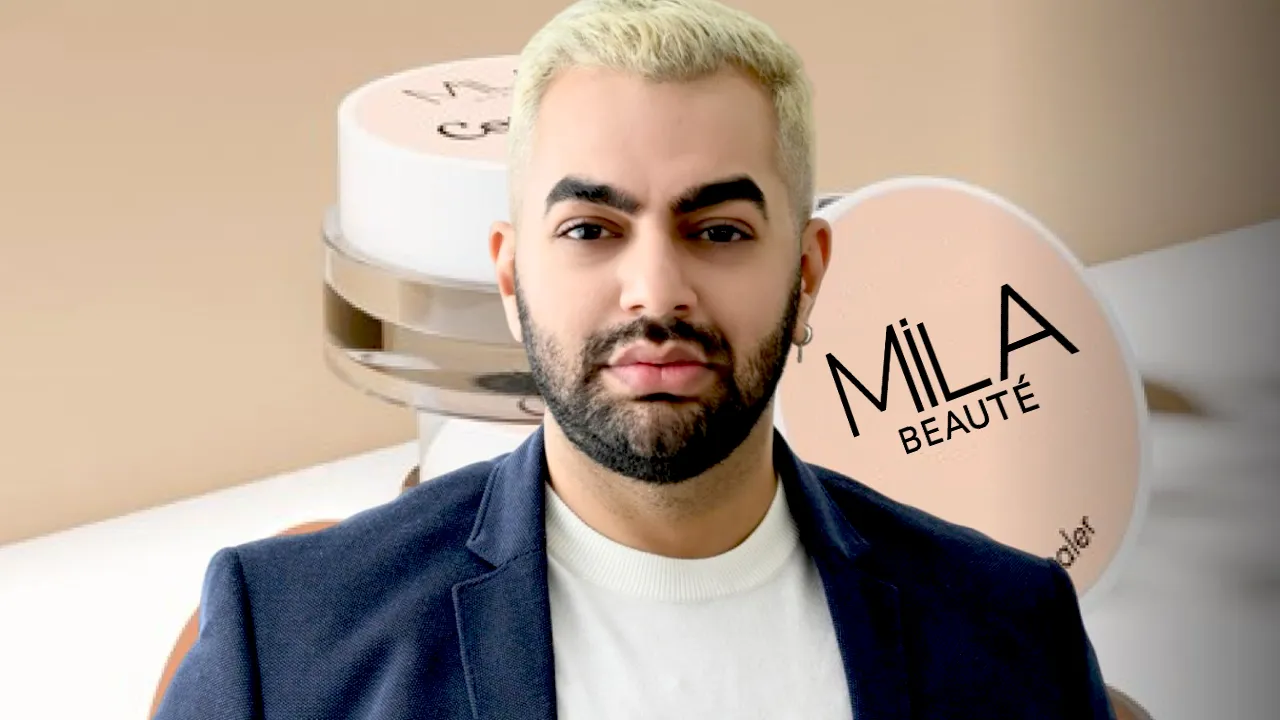

Legal Battle Shifts Gears as Court Steps Aside
The legal dispute involving beauty startup Mila Beauté has entered a new phase after the Delhi High Court directed the matter to arbitration. This decision effectively moves the conflict out of the courtroom and into a private dispute resolution process, where the issues between the parties will be examined away from public hearings.
The court’s order does not resolve the dispute itself but determines the forum in which it will be decided. Arbitration, while confidential, is often a lengthy process, meaning a final outcome could take considerable time.
This development comes in the wake of Saahil Nayar’s exit from Mila Beauté, a brand he helped shape during its early growth years. The dispute now centres on contractual and governance issues that will be reviewed under the arbitration framework agreed upon by the parties.
Who Is Saahil Nayar and Why His Exit Matters
A Key Figure in Mila Beauté’s Early Journey
Saahil Nayar was closely associated with Mila Beauté as a co-founder during its formative phase. He played an active role in building the brand, shaping its strategy, and helping it scale in a highly competitive beauty and cosmetics market.
For early-stage consumer brands, founding members often wear multiple hats, from product development and branding to operations and fundraising. Nayar’s involvement during Mila Beauté’s early growth made his exit particularly significant within startup and retail circles.
While the exact details of the disagreement have not been publicly disclosed, the decision to move to arbitration suggests unresolved differences related to rights, obligations, or contractual commitments.
Why the Case Has Moved to Arbitration
What the Court’s Order Means
By directing the dispute to arbitration, the Delhi High Court has reinforced the importance of contractual dispute resolution mechanisms. Many startup agreements include arbitration clauses to ensure disputes are resolved privately rather than through prolonged court proceedings.
Arbitration allows parties to present their case before a neutral arbitrator instead of a judge. While it offers confidentiality and flexibility, it can still take months or even years to reach a conclusion, especially in complex commercial disputes.
For Mila Beauté and Saahil Nayar, this means the next phase of the conflict will unfold behind closed doors, with outcomes dependent on the interpretation of contractual agreements signed during the company’s formation and growth stages.
Mila Beauté’s Rapid Rise in India’s Beauty Market
Building an Affordable, High-Performance Brand
Founded in 2024 by Saahil Nayar and other partners, Mila Beauté entered India’s colour cosmetics space with a clear value proposition. The brand positioned itself as affordable yet high-performing, targeting young consumers seeking quality products without premium pricing.
India’s beauty market has seen a surge in demand for homegrown brands that combine global aesthetics with local pricing and distribution strategies. Mila Beauté capitalised on this trend by offering a focused product range and expanding quickly across online and offline channels.
Within a short period, the brand gained strong visibility, helped by aggressive marketing, influencer-led promotions, and growing retail partnerships.
Expansion Across Online and Offline Channels
Mila Beauté adopted an omnichannel approach early in its journey. Alongside a strong presence on e-commerce platforms, the brand also invested in offline distribution, allowing it to reach customers beyond major metros.
This dual-channel strategy helped the company scale rapidly and build brand recall in a crowded market dominated by both global giants and fast-growing Indian startups.
Its growth trajectory made Mila Beauté a closely watched name in startup, retail, and beauty industry circles.
Funding, Manufacturing, and Growth Plans
Institutional Capital Fuels Expansion
During its growth phase, Mila Beauté raised institutional capital, signaling investor confidence in its business model and market potential. The funding was intended to support product development, marketing, and operational scaling.
The company also announced plans to invest in manufacturing capabilities, a move seen as critical for improving margins, quality control, and supply chain efficiency.
Such investments are often seen as a sign of long-term ambition, especially in the beauty sector, where product consistency and speed to market are crucial.
Strong Revenue Performance in FY25
Mila Beauté reported revenues of approximately Rs 60 crore in FY25, an impressive figure for a brand founded just a year earlier. This performance highlighted the brand’s ability to convert visibility into sales and establish a loyal customer base.
The company has publicly outlined aggressive growth ambitions for the coming years, aiming to expand its product portfolio and deepen its presence across India.
However, internal disputes at this stage can pose challenges, particularly when leadership alignment and strategic clarity are critical for sustained growth.
The Impact of the Dispute on the Business
What Arbitration Means for Mila Beauté
While arbitration proceedings are ongoing, Mila Beauté’s day-to-day operations are expected to continue as usual. However, leadership disputes can create uncertainty, especially for employees, investors, and partners.
In fast-growing consumer brands, stability at the top often plays a key role in execution. Any prolonged legal process can divert attention and resources away from core business priorities.
That said, many startups have successfully navigated internal conflicts while continuing to scale, provided governance structures are strong and operational teams remain focused.
Investor and Market Perception
Mila Beauté’s rapid rise has made it a brand to watch, and developments like co-founder exits and legal disputes tend to attract attention. Investors typically look for clarity and resolution, even if the process takes time.
The move to arbitration may help contain public speculation, as proceedings are private. For the company, this could allow management to focus on growth while the legal process unfolds separately.
A Common Challenge in Fast-Growing Startups
Founder Disputes Are Not Unusual
Disagreements among founders are not uncommon, especially in startups that scale quickly. Differences in vision, control, equity, and operational roles often surface as companies grow and attract external capital.
What matters is how these disputes are managed and resolved. Arbitration provides a structured path forward, even if it is not immediate.
Mila Beauté’s situation reflects the broader challenges faced by young, high-growth consumer brands operating in competitive markets with high stakes.
What Comes Next
Awaiting Arbitration Outcomes
The arbitration process will now determine how the dispute between Saahil Nayar and Mila Beauté is resolved, based on contractual terms and factual submissions from both sides.
Until a final decision is reached, uncertainty will remain around the specifics of the disagreement and its implications. The timeline for resolution is unclear and will depend on the complexity of the issues involved.
Final Thoughts
Mila Beauté’s journey so far has been marked by rapid growth, strong revenue performance, and rising brand recognition in India’s beauty market. However, the legal dispute involving co-founder Saahil Nayar adds a layer of complexity at a critical stage of the company’s evolution.
By moving the matter to arbitration, the Delhi High Court has set the stage for a private resolution process that could take time but may ultimately provide clarity for all parties involved.
As Mila Beauté continues to pursue its ambitious growth plans, the outcome of the arbitration will be closely watched by investors, industry observers, and the broader startup ecosystem. How the company navigates this period will play an important role in shaping its long-term trajectory.