

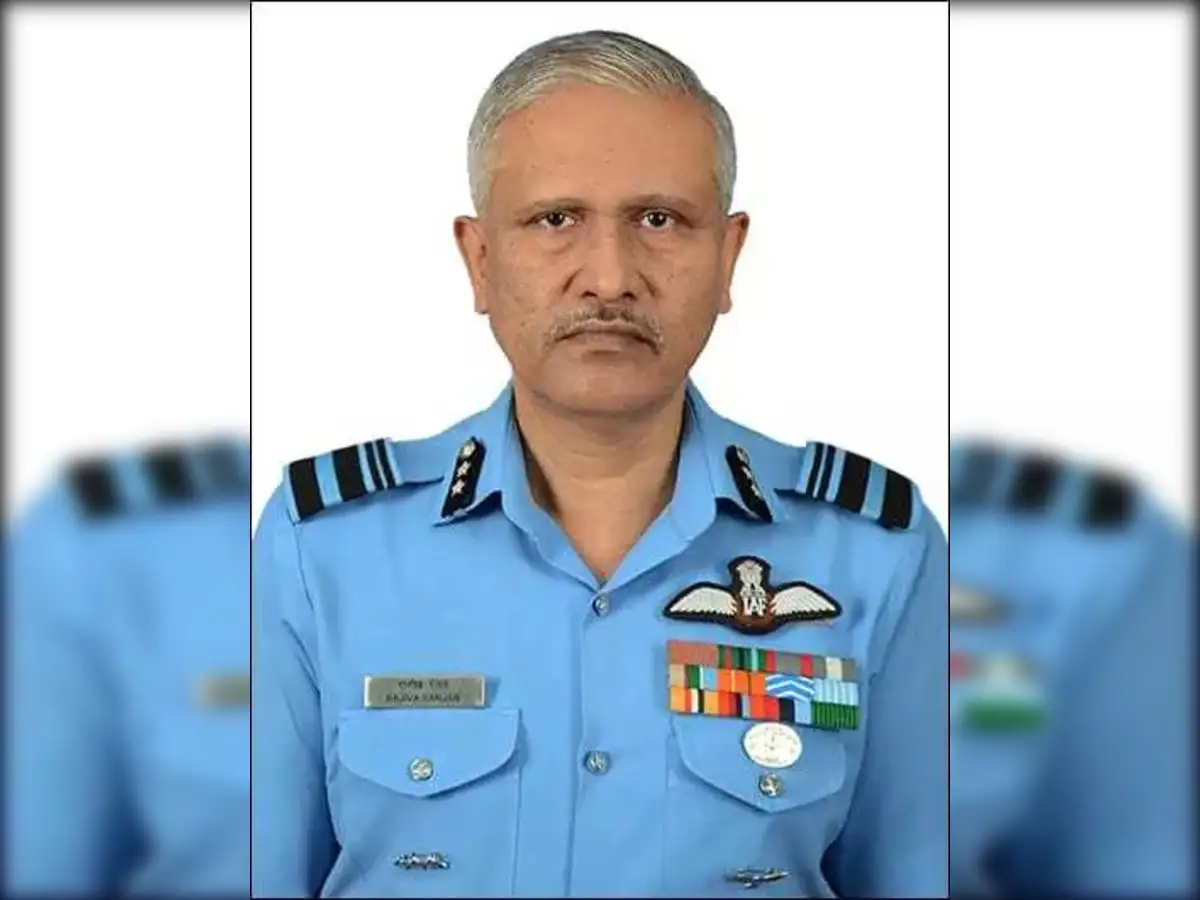

When it comes to cutting-edge defence technology, India has just received a major shot in the arm. Olee.Space, an emerging startup in the photonics and defence technology sector, has pulled off a high-profile coup: it has roped in Air Vice Marshal (AVM) Rajiva Ranjan VM (Retd) as its Strategic Defence Advisor.
This move has already set off buzz across defence and startup circles alike — because this isn’t just another corporate hire. It’s a powerful signal that India’s ambitious push into next-generation defence systems — lasers, space warfare, and anti-drone technology — is getting serious military muscle behind it.
The Man Behind the Mission: AVM Rajiva Ranjan
AVM Ranjan is not your average defence veteran. With over 30 years of decorated service in the Indian Air Force (IAF), his resume reads like a blueprint of India’s modern air combat history.
Commissioned in 1987 into the Fighter Stream, he’s a Fighter Combat Leader and a Qualified Flying Instructor, with a staggering 3,850 hours of accident-free flying across 15 different fighter and trainer aircraft. From MiGs to advanced combat aircraft, he has commanded elite operational units, including the MiG Operational Flying Training Unit and two forward air bases.
And that’s just scratching the surface.
In senior leadership, he’s held some of the most critical roles in India’s defence apparatus:
- Assistant Chief of Integrated Defence Staff (ICT), leading information and communications technology modernization.
- Assistant Chief of Air Staff (Operations–Space), steering India’s space-based defence operations.
This mix of on-ground combat experience and high-level strategic leadership makes him uniquely suited to guide a startup like Olee.Space — which isn’t just tinkering in labs but eyeing technologies that could redefine the battlefield.
Olee.Space’s Ambitious Roadmap: From Photonics to Space-Based Defence
So, what exactly is Olee.Space building that requires such heavyweight expertise?
The startup is carving its niche in photonics and space-based defence systems. If that sounds futuristic, it’s because it is. The company’s projects include:
- High-energy laser systems for multi-domain and multi-level warfare
- Photonics-based communication networks for secure, high-speed defence communication
- Anti-drone technologies, a crucial need as drone warfare evolves globally
- Laser-based space systems that could push India ahead in the space-tech race
Founder and CEO James Solomon is clear about the mission:
“We’re thrilled to welcome AVM Ranjan to Olee.Space. His crisp experience in operational strategy, technology adoption in the Air Force, and futuristic mission planning will be invaluable. Together, we aim to design systems that elevate Bharat’s defence and strategic communication capabilities.”
Why This Appointment is a Big Deal
Defence startups in India are often caught in the classic dilemma: they have brilliant engineers and cutting-edge ideas, but lack the operational insights and strategic validation that only veterans with decades of field experience can provide.
AVM Ranjan bridges that gap. He knows exactly what frontline combat units need, how procurement decisions are made at the highest levels, and what technologies will actually survive in high-pressure, real-world scenarios.
By aligning with Olee.Space, he’s not just lending credibility — he’s bringing a roadmap for how to turn experimental technology into deployable military systems.
India’s Defence-Tech Moment
The timing couldn’t be better. India’s push for Atmanirbhar Bharat (self-reliant India) in defence is rapidly expanding. The government is encouraging startups and private players to innovate in critical technologies that were once the exclusive domain of foreign defence contractors.
Areas like laser warfare, anti-drone systems, and satellite-based communication are increasingly seen as crucial for future conflicts. The Russia-Ukraine war has already highlighted how drones, satellite communications, and electronic warfare are changing modern battlefields.
With Olee.Space stepping up, India is signaling that it doesn’t want to just play catch-up — it wants to lead.
The Veteran’s Vision
For AVM Ranjan, this isn’t just a post-retirement consulting gig. His excitement is palpable:
“Olee.Space’s work in photonics, laser-based communication, and anti-drone technologies has the potential to transform India’s defence preparedness. I look forward to contributing to solutions that strengthen national security and technological self-reliance.”
That phrase — “technological self-reliance” — is the keyword here. With geopolitical tensions rising and reliance on imported defence equipment proving risky, India’s ability to build homegrown, world-class defence systems could be a game-changer.
What’s Next for Olee.Space?
While the startup has been fairly low-profile so far, AVM Ranjan’s entry is likely to put it under the spotlight. Defence insiders say Olee.Space is already working on prototypes that could attract both government contracts and global attention.
With projects spanning laser-based air defence, satellite communications, and counter-drone systems, the company is positioning itself as a frontline player in the future of warfare technology.
And with a strategic advisor who has literally commanded air bases and led India’s space defence operations, the startup suddenly looks far more formidable.
Final Word: India’s Laser Wars Just Got Real
It’s rare for a startup to make national headlines simply by hiring an advisor. But this isn’t just any hire. It’s a high-stakes alliance between a cutting-edge deeptech startup and one of the IAF’s most decorated veterans.
In the coming years, when discussions turn to India’s role in laser warfare, anti-drone systems, and space-based defence, don’t be surprised if Olee.Space is right at the center of the conversation.
For now, one thing is certain: with AVM Rajiva Ranjan onboard, India’s laser wars and space defence dreams just got a serious edge.