

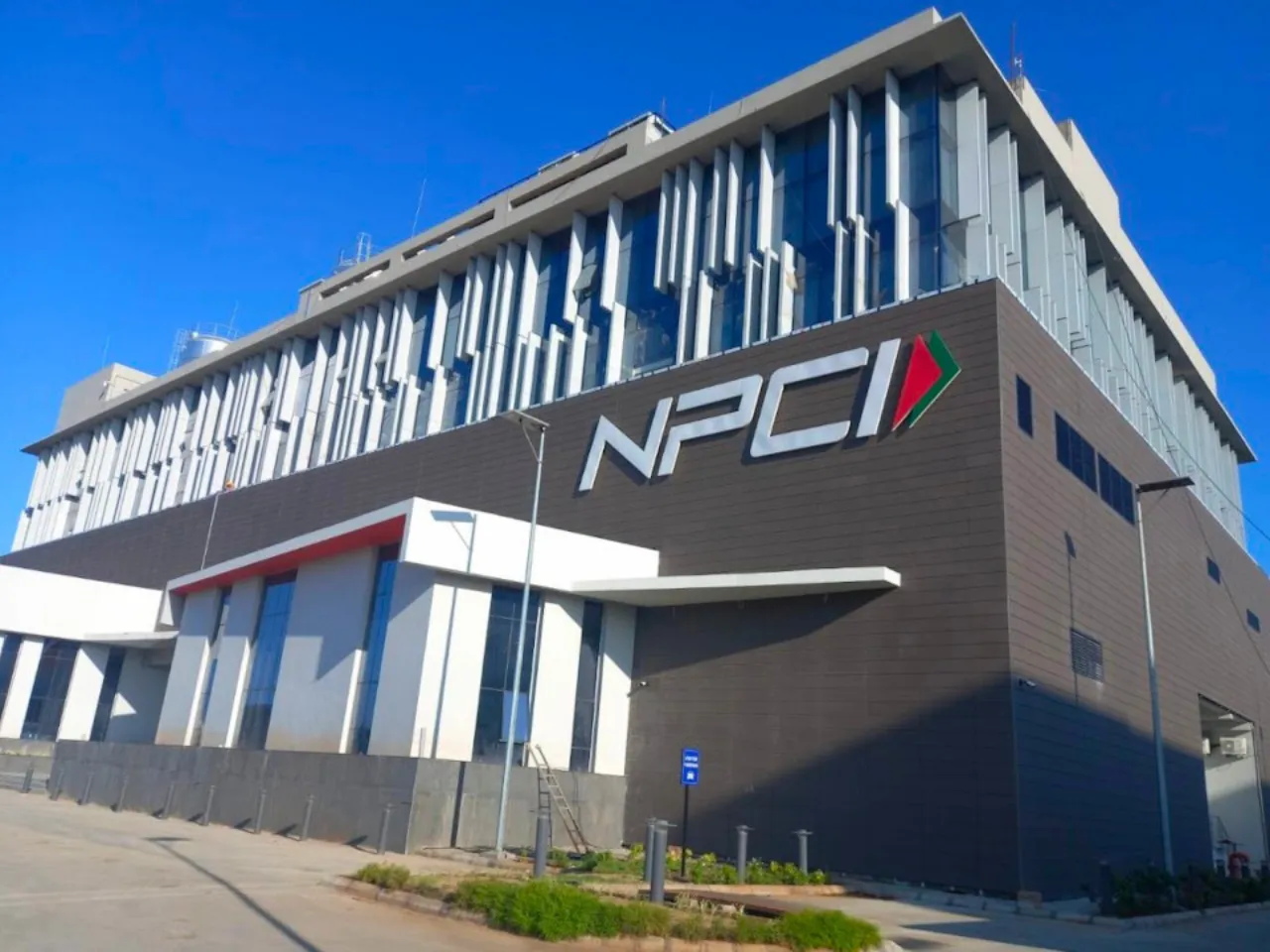

India’s Digital Payments Giant Just Got Richer — But There’s More Than Meets the Eye
India’s digital payments wave isn’t slowing down—and at the center of it all is NPCI, the not-for-profit that just posted a massive surge in its revenue surplus. But behind the impressive numbers lies a complex story of booming technology, mounting pressure, and a payment revolution that’s transforming India’s financial DNA.
From chaiwala stalls to big tech unicorns, everyone is tapping into UPI, and the results are staggering. But how does a company that isn’t even supposed to make a profit suddenly post record-breaking figures? And what does that mean for the future of payments in India?
Let’s dive into what’s really happening behind the scenes of NPCI’s UPI empire.
A Not-for-Profit That’s Rolling in Surplus
The National Payments Corporation of India (NPCI) is technically a not-for-profit organization. That means it doesn’t operate with the intention of making profits like private companies do. But that hasn’t stopped it from recording a massive financial surplus, which functions almost like net profit in the corporate world.
In the last financial year, NPCI’s revenue surplus soared compared to the previous year. Its total revenue also jumped, driven by one thing: an explosion in the number of digital transactions happening across its platforms.
NPCI now sits on a solid financial foundation. Its net worth and Settlement Guarantee Fund have expanded significantly, offering a deep financial cushion for the growing traffic on its payment networks. That’s a big deal, especially when you’re handling billions of transactions every month.
The Real Engine Behind This Growth? UPI
If you’ve ever scanned a QR code to pay for a dosa or transferred money to a friend in seconds, you’ve used UPI — Unified Payments Interface. And chances are, you’ve used it more than once today.
UPI isn’t just another app. It’s the backbone of India’s real-time payment revolution. And it’s everywhere — from roadside vendors to luxury malls, from cab rides to online shopping checkouts.
In just one month recently, UPI processed billions of transactions worth several lakh crores. That kind of volume is jaw-dropping, and it’s one of the biggest reasons why NPCI’s revenue keeps rising, even without charging merchants or consumers.
But how does NPCI make money from something that’s technically free for users?
A Business Model That Banks on Scale
NPCI doesn’t directly charge you or your neighborhood shopkeeper when you use UPI. Instead, it earns revenue through the banks and fintech companies that build services on top of its platforms.
Every time a transaction is processed through platforms like UPI, IMPS, or BBPS, a tiny fee is involved. That fee is paid by the banks or payment service providers. Multiply that by billions of transactions every month, and those small fees become a huge revenue stream.
This scale-based model works brilliantly in a country like India, where smartphone penetration, affordable data, and a tech-savvy youth population are fueling the rise of cashless payments.
But All That Glitters Isn’t Gold
Despite the strong financials, not everything is smooth sailing at NPCI.
Earlier this year, UPI suffered a major outage. Users across platforms like PhonePe, Google Pay, and Paytm faced failed payments and delays. The problem was traced back to a technical overload — too many banks hitting NPCI’s servers with repeated “Check Transaction” requests, causing a system bottleneck.
This wasn’t the first hiccup, and it likely won’t be the last. When a platform becomes essential to day-to-day life, the cost of failure goes way up. NPCI now finds itself under pressure to upgrade its systems and infrastructure fast — or risk losing the trust it has built over the years.
The MDR Dilemma: Who Pays for Free Payments?
Here’s the twist: even as NPCI’s revenues rise, many of the players in the ecosystem — banks, fintech apps, and digital wallets — are struggling with monetization.
The reason? UPI transactions are free for merchants.
This sounds great for shopkeepers and customers, but someone still has to foot the bill for the infrastructure, the servers, the cybersecurity, the tech support, and everything else that keeps this massive system running smoothly.
Fintech companies and banks have been lobbying the government to bring back something called MDR — Merchant Discount Rate. It’s a small fee merchants pay on every digital transaction. But the government has firmly said no. Digital payments, especially UPI, will remain free for merchants.
To address this gap, the government did approve an incentive scheme to help reimburse service providers for small-ticket transactions. But many in the industry believe it’s not nearly enough to cover operational costs, especially as transaction volumes continue to surge.
The Bigger Picture: A Digital Public Utility
NPCI was founded back in the 2000s by the Reserve Bank of India and the Indian Banks’ Association. Its mission was to build a unified platform for India’s payment systems. Over the years, it evolved into something far greater — a national digital utility.
With initiatives like UPI, Aadhaar-enabled payments, BBPS, and even transport cards, NPCI has created the infrastructure that powers India’s digital economy.
It has multiple shareholders, including major public and private sector banks, and even foreign entities. But it still functions with a public-spirited mission: to make digital payments available, reliable, and accessible to everyone in India.
What Happens Next?
NPCI’s growth story is far from over, but the next chapter will be more complex.
Can it maintain system stability with skyrocketing traffic?
Will it find new ways to support the fintechs and banks keeping the system alive?
Will the MDR debate resurface as private players demand sustainable revenue models?
One thing’s clear — UPI has changed the game forever. And NPCI is now a cornerstone of India’s financial future. But with that comes responsibility. As millions more join the digital ecosystem, ensuring speed, safety, and sustainability will be NPCI’s greatest test yet.
Final Word: The Price of Becoming Indispensable
NPCI’s rising surplus isn’t just a financial figure — it’s a signal that India’s payment landscape has changed for good. UPI has become so deeply embedded in daily life that most people don’t even think twice before scanning a QR code.
But building a “free” system that serves billions is anything but cheap. The next few years will determine whether India’s digital payments model can balance public good with financial sustainability.
NPCI may not chase profits like a private company, but it now holds one of the most powerful levers in India’s tech economy. And that makes every glitch, every decision, and every update a matter of national importance.